Electric Vehicles: Technology, Benefits & Future Trends
Electric vehicles (EVs) have become one of the most transformative innovations in modern transportation. As more countries push toward sustainable mobility, EVs continue to play a critical role in reducing emissions, lowering fuel dependency, and introducing smarter, more efficient automotive technologies. Understanding how these vehicles operate helps drivers, consumers, and businesses prepare for a cleaner automotive future.
How Electric Vehicles Work
Battery System
The battery is the primary power source of an EV.
Key characteristics include:
-
High-capacity lithium-ion cells
-
Ability to store large amounts of energy
-
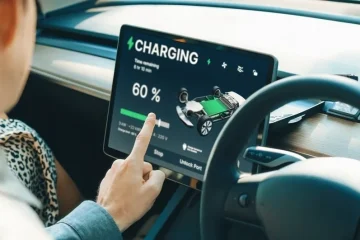
Rechargeable through home or public charging stations
Electric Motor
Unlike internal combustion engines, EV motors convert electrical energy directly into motion.
Benefits:
-
Instant torque
-
Smooth acceleration
-
Higher energy efficiency
Power Electronics
These components manage the flow of electricity between the battery and motor.
Core functions:
-
Controlling motor speed
-
Regulating power distribution
-
Managing charging and discharging
Regenerative Braking
EVs recover energy during braking by converting kinetic energy into stored electrical power, improving range and reducing waste.
Major Benefits of Electric Vehicles
Environmental Sustainability
Electric vehicles produce zero tailpipe emissions, making them significantly cleaner than traditional fuel-powered vehicles. They help reduce:
-
Air pollution
-
Carbon footprint
-
Dependence on fossil fuels
Lower Operating Costs
EV owners benefit from reduced long-term expenses due to:
-
Fewer moving parts
-
Minimal maintenance requirements
-
Lower cost per mile compared to gasoline vehicles
Superior Driving Experience
Modern EVs provide:
-
Quiet operation
-
Instant acceleration
-
Smooth handling
-
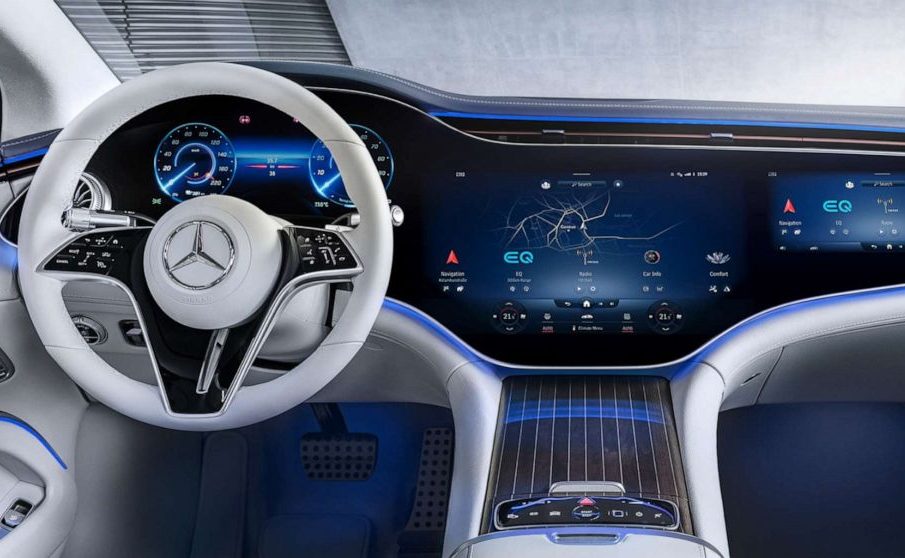
Advanced infotainment and smart connectivity features
Government Incentives
Many regions offer:
-
Tax credits
-
Reduced registration fees
-
Subsidies for home charging installations
Challenges Facing Electric Vehicles
Charging Infrastructure
While growing rapidly, charging availability still varies by location, especially in rural areas.
Higher Initial Cost
EVs can be more expensive upfront due to the cost of advanced battery technology, though prices continue to decline.
Range Anxiety
Some drivers worry about battery depletion during long trips, but newer models now offer extended ranges.
Future Trends in Electric Vehicles
Advances in Battery Technology
Future EVs will rely on:
-
Solid-state batteries
-
Faster charging capabilities
-
Longer driving ranges
Autonomous and Connected EVs
Electric platforms pair well with automation due to easier integration of sensors and advanced computing systems.
Expansion of Fast-Charging Networks
Globally, charging infrastructure is expanding, making EV travel more convenient and accessible.
Rise of Electric Commercial Fleets
Delivery vans, buses, and trucks are increasingly transitioning to electric power for cost savings and sustainability compliance.
Vehicle-to-Grid (V2G) Integration
Soon, EVs may support energy grids by returning stored power during peak demand.
FAQs
1. How long does it take to charge an electric vehicle?
Charging time varies from under an hour with fast chargers to several hours with home charging setups.
2. Are electric vehicles suitable for long-distance travel?
Yes. Modern EVs offer improved ranges, and expanding fast-charging networks support long trips.
3. How long do EV batteries last?
Most EV batteries last 8–15 years, depending on climate, usage, and technology improvements.
4. Do electric vehicles require regular maintenance?
They require significantly less maintenance since they have fewer moving parts compared to gas-powered cars.
5. Are EVs safe in extreme weather?
EVs perform well in most weather conditions, though very cold temperatures may slightly reduce battery efficiency.
6. What factors affect an EV’s driving range?
Driving style, temperature, terrain, and accessory usage (like heaters or AC) all impact range.
7. Will electric vehicles eventually replace traditional cars?
While adoption is growing rapidly, full replacement depends on future technological advancements, market demand, and infrastructure development.