How to Choose the Right Vehicle Wrap for Personalization or Business
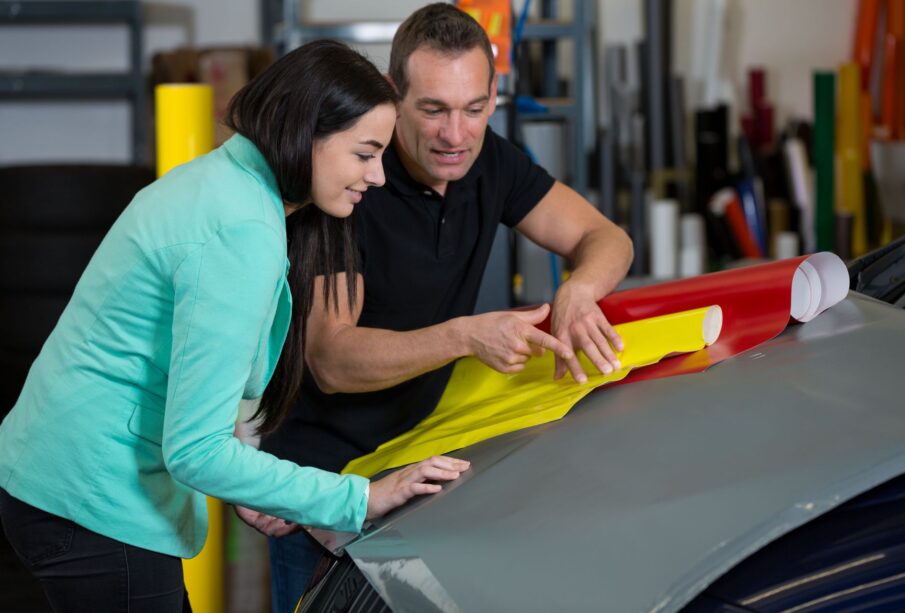
Vehicle wraps have revolutionized the automotive aftermarket and commercial advertising sectors. Where vehicle owners once faced the permanent and costly prospect of a full respray, vinyl technology now offers an adaptable alternative. Whether transforming a daily driver with a striking color change or outfitting a commercial fleet with eye-catching branding, choosing the right wrap demands careful planning.
A high-quality wrap serves two primary functions: visual impact and surface protection. However, navigating the broad spectrum of materials, adhesive technologies, finishes, and design methods can quickly become daunting. Selecting the wrong film type, misjudging environmental exposure, or skimping on material grade often leads to peeling seams, premature fading, adhesive residue, and wasted capital. Understanding the mechanical and practical differences among wrap materials ensures your final installation achieves the exact look, longevity, and return on investment you require.
Defining Your Core Objective: Personalization Versus Commercial Utility
The initial decision points depend heavily on whether the project focuses on personal aesthetic enhancement or commercial lead generation.
-
Personal Restyling: For passenger cars, sports coupes, and personal trucks, the primary goal is customization. Enthusiasts prioritize exotic finishes, paint-like gloss, unique textures, and seamless edge tucks. The wrap functions as temporary paint, giving the vehicle a fresh identity while safeguarding the underlying original clear coat from rock chips, UV rays, and road debris.
-
Commercial Branding: Fleet vehicles, delivery vans, and contractor service trucks require clear messaging, high legibility, brand recognition, and durable performance under heavy operational use. Commercial wraps must clearly convey the business identity, services, and contact channels within seconds of street exposure.
-
Budget Allocations and Expected Lifespans: Personal custom color-change projects demand high labor intensity to wrap deep into door jambs, around delicate handles, and behind trim pieces. Commercial applications prioritize rapid vehicle turnaround times and cost-effective panel coverage, focusing on high-visibility exterior surfaces.
Cast Versus Calendered Vinyl: Understanding Material Engineering
The single most critical technical choice when sourcing a vehicle wrap is the manufacturing process of the vinyl film itself. The two primary categories, cast and calendered, behave differently under installation stress and weather exposure.
-
Cast Vinyl: Cast films represent the gold standard for full automotive wraps. Manufacturers produce cast vinyl by blending liquid ingredients into a smooth slurry, pouring it onto a casting sheet, and baking it through a curing oven. Because it is never stretched into its final form, cast vinyl has no mechanical memory. It stretches effortlessly around deep bumper recesses, complex body lines, and rivets without shrinking back over time. It typically lasts between five and eight years and removes cleanly without pulling factory clear coats.
-
Calendered Vinyl: Calendered film starts as a molten plastic mass that is forced through heated mechanical rollers, effectively flattening and stretching the material to the desired thickness. Because it was physically stretched during fabrication, calendered film retains dimensional memory. When exposed to summer heat, it gradually shrinks, causing lifted edges, adhesive tears around compound curves, and edge curling. While unsuitable for complex contours, calendered vinyl is significantly cheaper and works well for short-term promotional campaigns, flat box truck sides, and basic door decals.
Choosing the Right Visual Finish
The visual surface finish sets the tone of the vehicle, whether the intention is subtle elegance, motorsport aggression, or corporate authority.
-
High-Gloss and Super-Gloss: Modern cast gloss films mimic the depth and reflection of fresh multi-stage clear coat. They work well for both full personal color transformations and vibrant commercial graphics. Superior brands utilize clear protective cap sheets during shipping to prevent surface micro-scratches before installation.
-
Satin and Matte: Matte finishes absorb light, highlighting the angular body lines, fenders, and sculpting of performance vehicles. Satin splits the difference, providing a soft, silky sheen that reflects light without a mirror shine. These finishes demand meticulous hand washing because traditional waxes and buffing compounds will permanently destroy the uniform matte texture.
-
Metallic, Pearl, and Color-Shift: Infused with micro-flakes or interference pigments, metallic and iridescent wraps alter their hue depending on lighting angles and sky conditions. These premium films require directional installation; if panels are applied with opposing grain directions, adjacent panels will appear mismatched in direct sunlight.
-
Textured and Specialty Films: Carbon-fiber weaves, brushed titanium finishes, and embossed patterns offer physical tactile feel. These films are thicker, making them slightly harder to stretch into tight crevices, and are frequently used for accents like roofs, mirrors, hoods, and interior dashboards.
Designing for Maximum Commercial Impact
A well-engineered design balances graphic creativity with functional visual hierarchy. A poorly laid-out commercial wrap confuses prospective customers and fails to generate leads.
-
The Three-Second Rule: Highway drivers and pedestrians only view a wrapped vehicle for a few brief seconds. Avoid cluttered graphics, dense paragraphs, or overly intricate fonts. Ensure the company logo, core service offering, phone number, and website are legible from fifty feet away at highway speeds.
-
Strategic Vehicle Architecture Placement: Skilled designers build wrap templates directly on three-dimensional vehicle blueprints. Crucial contact information must never sit over door handles, fuel doors, sliding van tracks, or body panel seams where deep cuts will slice through phone numbers or letters.
-
Contrast and Color Theory: Match your vehicle base paint to the graphic layout if choosing a partial wrap. High-contrast color combinations, like yellow lettering on dark navy or crisp white on charcoal, ensure fast legibility in heavy rain or low-light evening traffic.
Full Wraps Versus Partial Wraps and Spot Graphics
Budget and vehicle condition dictate how much of the vehicle body should receive vinyl coverage.
-
Full Vehicle Coverage: A full wrap encases every exterior painted panel, including bumpers, roof, mirrors, and rocker panels. It delivers the most cohesive visual presentation for personal styling and ensures corporate fleet vehicles look identical regardless of their factory paint colors.
-
Partial Wraps: Covering between twenty-five and seventy-five percent of the exterior body, partial wraps integrate the factory paint color into the graphic layout. By covering only the rear quarter panels, tailgate, and rear doors, business owners save significantly on material and labor costs while retaining high visual impact.
-
Cut Vinyl Decals and Perforated Window Graphics: For budget-conscious business fleets, die-cut vinyl decals on the doors paired with perforated window film across rear glass panels offer an affordable solution. Perforated vinyl features tiny micro-punctures, allowing the driver to see clearly out through the glass from the inside while presenting a solid, branded image to outside observers.
Professional Installation and Surface Preparation Standards
A wrap is only as reliable as the surface beneath it and the skill of the technician handling the squeegee. Cutting corners during prep work guarantees early adhesive failure.
-
Paint Health Requirements: Wraps adhere via pressure-activated, air-release acrylic adhesives. They bond reliably to sound, fully cured factory original paint and clear coats. If a vehicle has peeling clear coat, active rust, or cheap aftermarket paint repairs, peeling the wrap off later will rip the paint off the metal.
-
Decontamination Protocols: Installers thoroughly wash the chassis, run clay bars over every panel to extract embedded industrial fallout, and wipe down every panel, gap, and rubber molding with an isopropyl alcohol mixture to remove all waxes, silicones, and road oils.
-
Post-Heating Criticality: Once cast vinyl is stretched over severe compound curves and concave recesses, it must be post-heated using an infrared thermometer and a heat gun to roughly two hundred degrees Fahrenheit. This process resets the plastic memory of the vinyl, preventing the film from shrinking or lifting out of the recesses weeks later.
Maintaining Your Investment
Vinyl films require specific maintenance routines to prevent surface degradation, fading, and permanent staining.
-
Hand Washing Over Automated Car Washes: Never run a wrapped vehicle through an automated mechanical car wash. The high-speed nylon bristles catch the edges of the vinyl, lifting seams and scratching the surface finish. Hand wash using dedicated, pH-neutral automotive shampoos and soft microfiber mitts.
-
Pressure Washer Caution: If utilizing a pressure washer, keep the nozzle tip at least twelve to eighteen inches away from the vehicle surface. Keep the water spray perpendicular to the panels and avoid blasting directly at vinyl seams, window edges, and door lines.
-
Protection Against Environmental Fallout: Tree sap, bird droppings, road tar, and bug splatters contain harsh acids that permanently etch into vinyl when baked under hot summer sun. Spot-clean contaminants immediately with approved vinyl-safe detailing sprays. Applying a dedicated ceramic coating formulated for vinyl wraps adds a slick sacrificial layer that repels water, prevents chemical staining, and extends UV resistance.
Frequently Asked Questions
Will wrapping a car damage the factory original paint underneath?
When applied to healthy, fully cured factory paint by a certified installer, a premium cast wrap will not harm the finish. In fact, it protects the original clear coat from rock chips, road grit, and sun fading. However, if applied over peeling paint, severe rust, or uncured body shop repairs, the adhesive will lift the damaged paint during removal.
How long does a vehicle wrap typically last before it needs replacement?
A high-grade cast vinyl wrap lasts between five and seven years if the vehicle is washed regularly and parked under cover. Vehicles kept outdoors in intense sunlight, or those wrapped in matte or textured specialty films, typically reach their service life around three to four years. Commercial wraps should be removed before seven years to prevent adhesive hardening.
Can minor damage on a wrapped panel be repaired without rewrapping the whole vehicle?
Yes. Individual body panels can be unwrapped and re-wrapped independently if an accident or deep scratch occurs. However, because the rest of the wrap has endured UV sunlight exposure, brand-new replacement vinyl from a different production batch might exhibit a very slight color variation when placed next to weathered panels.
Are vehicle wraps legal to drive on public roads?
Yes, vehicle wraps are entirely legal. However, some state motor vehicle departments require owners to report major color changes to keep state registration records aligned. Commercial wraps must comply with local municipal visibility guidelines, ensuring that window graphics do not cover the front windshield or forward side windows.
Can you wax a vehicle wrap like traditional car paint?
You should never apply standard automotive carnauba waxes, abrasive compounds, or high-speed rotary buffers to a vinyl wrap. Abrasive polishes will create permanent hazy scratches on gloss films, and standard paste waxes leave white, chalky residue along seams and ruin the non-reflective surface of matte and satin finishes. Always use specialized synthetic sealant sprays or ceramic coatings designed specifically for vinyl films.
What happens if a wrap is left on a car past its recommended lifespan?
Leaving a wrap on long past its service life allows intense UV rays to bake the vinyl and adhesive directly into the clear coat. The film becomes dry, brittle, and cracked, resembling shattered safety glass. Removing severely baked vinyl requires extensive heat application, specialized chemical erasers, and intense labor, drastically driving up removal costs and increasing the risk of clear coat damage.
Why does perforated window film hold up differently than standard body vinyl?
Perforated window vinyl contains numerous micro-holes to maintain driver rear visibility, meaning moisture, dirt, and road cleaners easily settle into the exposed edges of the tiny holes. To prevent premature peeling and water haze between the glass and the vinyl, quality installations require specialized optically clear overlaminates and edge-sealing tapes along the window borders.