
Common Scams to Watch Out for When Buying a Used Car Online
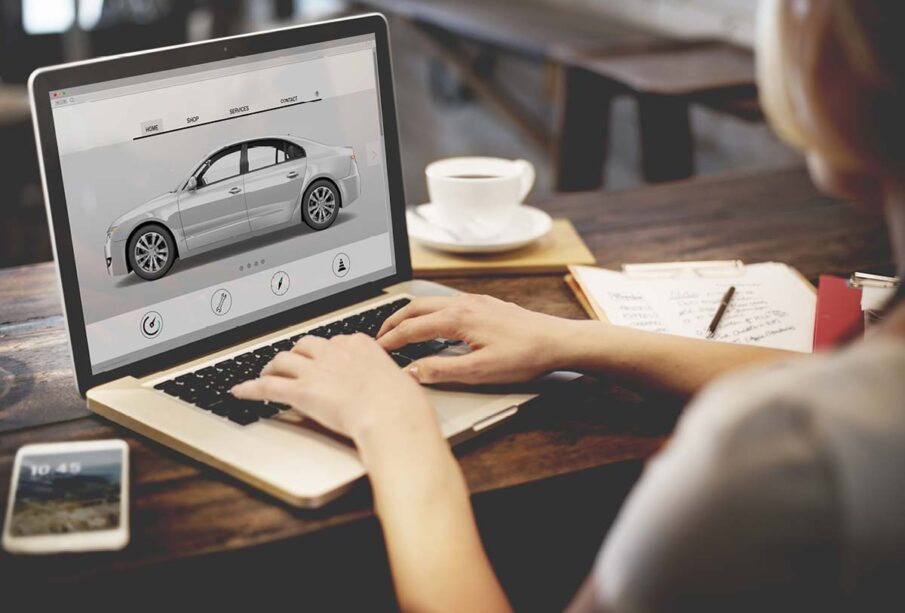
The digital marketplace has completely transformed how Americans shop for pre-owned vehicles. Online automotive portals, peer-to-peer marketplaces, and social media classifieds provide access to an inventory of thousands of vehicles across the country, often at prices well below local dealership sticker prices. With a few clicks, you can compare trims, review vehicle histories, and arrange delivery straight to your driveway.
Unfortunately, the convenience and reach of the internet have also created fertile ground for sophisticated cybercriminals and dishonest sellers. Car-buying scams have evolved far beyond the classic rolled-back mechanical odometer. Modern automotive fraudsters use forged digital paperwork, cloned identities, fake third-party escrow portals, and elaborate psychological pressure tactics to swindle buyers out of thousands of dollars. Protecting your hard-earned money requires learning the warning signs of online vehicle fraud and approaching every digital transaction with disciplined skepticism.
Phantom Vehicles and Fake Escrow Services
One of the most financially damaging schemes online involves advertising a car that does not exist. Fraudsters harvest high-resolution photos and detailed descriptions from legitimate dealership listings or expired auctions, reposting them across online marketplaces at prices significantly below market value.
When an interested buyer reaches out, the seller quickly manufactures an emotional story explaining the unusually low price. Common narratives involve sudden military deployment overseas, a recent divorce, an unexpected death in the family, or a job relocation requiring an immediate sale.
-
The Third-Party Escrow Trap: To ease the buyer fears about sending money to a stranger, the scammer claims the payment will be handled by a secure, neutral third party, often spoofing reputable names like eBay Motors, Amazon Payments, or dedicated escrow sites.
-
Spoofed Confirmation Emails: The buyer receives a convincing, branded email with fake transaction invoices and payment instructions, directing them to wire funds or pay through non-reversible channels.
-
Total Disappearance: Once the money is wired or the transfer is complete, the seller cuts all communication, the fake tracking links go dead, and the promised vehicle transport truck never arrives.
A legitimate escrow company will never ask you to wire money directly to an individual bank account, purchase gift cards, or send cryptocurrency. If a seller insists on using an escrow service of their choosing, verify the service independently through state licensing databases before proceeding.
Title Washing and Concealed Structural Damage
A clean title is the backbone of any safe used vehicle purchase. When a car suffers catastrophic damage from collisions, flooding, or severe structural compromise, the insurance company declares it a total loss and issues a salvage or junk title. Vehicles branded as salvage cannot be legally registered for road use until they are repaired and pass stringent state safety inspections, which results in a rebuilt title.
Title washing is an illegal process where shady dealers and curbstoners erase these negative brands from the paperwork to pass a severely damaged wreck off as a clean, pristine vehicle.
-
Exploiting State DMV Discrepancies: Regulations, titling definitions, and electronic database systems vary between state departments of motor vehicles. Scammers move a flood-damaged or totaled vehicle across state lines to a jurisdiction with looser brand-carrying regulations, securing a fresh, unbranded title.
-
The Danger of Hurricane and Flood Cars: Flood damage is particularly insidious because standing water ruins electronic control modules, wiring harnesses, and safety systems without leaving obvious body damage. Within a few months of purchase, a title-washed flood car will suffer persistent electrical shorts, airbag failures, and catastrophic hidden corrosion.
-
Physical Title Forgery: Some scammers alter physical paper titles using precision printing techniques, removing salvage watermarks or changing the mileage numbers printed on the face of the document.
Always cross-reference the physical paperwork against a comprehensive vehicle history report pulled from an independent source, ensuring the vehicle registration paper trail shows continuous, legitimate ownership history across every state where it lived.
Curbstoning: Unlicensed Dealers Hiding Behind Private Sales
State laws require anyone buying and selling motor vehicles for profit to obtain a dealer license, maintain a physical business location, and comply with strict consumer disclosure rules. Curbstoners are unlicensed dealers who flip damaged, salvage, or mechanically compromised vehicles while pretending to be everyday private individuals selling their personal cars.
Curbstoners often acquire severely degraded inventory from salvage auctions, perform cosmetic patches to hide terminal engine or transmission issues, and park the vehicles on public streets, vacant lots, or post them under multiple alias accounts on online classifieds.
-
Inability to Produce Matching Identification: A curbstoner will rarely have their own name printed on the vehicle title. When asked, they typically invent an excuse, claiming they are selling the car on behalf of an elderly relative, an out-of-town cousin, or a busy coworker.
-
Jumped Titles: In many cases, the seller never legally registered the vehicle in their name after purchasing it to avoid paying state sales tax and to keep their name off the legal record. This practice, known as title jumping, leaves the new buyer unable to register the vehicle at the DMV without expensive administrative delays or legal disputes.
-
Zero Accountability: Because curbstoners operate completely outside the regulatory system, they vanish the moment cash exchanges hands. When the engine seizes or the transmission slips fifty miles later, the buyer has no consumer rights, no dealership surety bond to claim against, and no way to locate the seller.
Phishing Traps and Fake Vehicle History Reports
Not all online automotive scams aim to sell you a physical automobile; some exploit the buying process to harvest your financial information or steal your identity.
A widespread variation involves a seller who lists a vehicle at a reasonable price and responds quickly to your inquiries. Before arranging an in-person meeting or test drive, the seller demands that you provide an updated vehicle history report to prove you are a serious buyer.
-
The Fraudulent Link: Instead of accepting an industry-standard Carfax or AutoCheck report that you already possess, the seller insists that you purchase a report through a specific, obscure website link they provide, claiming that platform is cheaper, more detailed, or required by their personal insurer.
-
Credit Card Theft: The website is a fraudulent clone operated by the scammer. When you enter your credit card number, billing address, and personal details to purchase the five-dollar report, the website captures your data for unauthorized charges or sells your information on dark web data markets.
-
Instant Ghosting: The moment your payment clears on the fake site, the seller ceases all communications, leaving you with compromised card details and no car to view.
Never purchase digital products or reports through unverified third-party links provided by a seller. Direct sellers to reputable public reporting agencies, or supply your own verified report directly to them as a static document.
Essential Precautions to Protect Your Investment
Adopting a strict set of purchasing rules significantly reduces your vulnerability to online fraudsters.
-
Insist on an Independent Pre-Purchase Inspection: Never hand over funds for a vehicle without a pre-purchase inspection conducted by an independent, certified automotive technician of your choice. If the vehicle is located out of state, hire a reputable mobile inspection service to evaluate the mechanical systems, scan computer modules, and inspect the frame for unibody damage. Any seller who refuses a professional inspection should be eliminated from consideration immediately.
-
Conduct Direct Video Verification: If buying remotely, request a live video call with the seller. Have them walk around the vehicle, point the camera at the Vehicle Identification Number on the dash and door jamb, start the engine from a cold state, and operate the vehicle lights and electronics. Live interactions deter scammers using stolen photos.
-
Inspect the VIN in Multiple Locations: Physically verify that the seventeen-character VIN plate on the driver side dash matches the safety certification sticker on the driver door jamb, the engine bay stamping, and the paperwork. Scammers sometimes swap dashboard plates from clean donor vehicles onto stolen or salvage chassis, an illegal technique known as VIN cloning.
-
Transact at Safe, Neutral Locations: When meeting a private seller in person, arrange the rendezvous outside a local police station or inside the lobby of your financial institution. Banks provide a secure environment where funds can be verified, payment drafts issued, and notary services utilized to execute title transfers correctly.
Frequently Asked Questions
What should I do if the price of a vehicle online seems too good to be true?
If an online listing is priced significantly below prevailing fair market value without obvious cosmetic or mechanical justification, treat it as a probable scam. Cross-reference the vehicle pricing against standard valuation guides. Sellers rarely give away valuable vehicles for a fraction of their worth, regardless of their claimed personal circumstances.
Can I legally register a vehicle if the seller never put the title in their own name?
Registering a vehicle with a jumped title is extremely difficult and often illegal. Most state motor vehicle agencies require an unbroken chain of ownership documented through bills of sale and properly reassigned titles. If the person selling the vehicle is not the individual named on the face of the title, walk away from the purchase to avoid tax penalties, title rejection, or involvement with stolen property.
Is it safe to pay for a used car using peer-to-peer payment apps like Zelle or Venmo?
Peer-to-peer payment platforms are designed for transactions between trusted friends and family, not commercial vehicle purchases. These services generally lack buyer fraud protection for automotive transactions, meaning that once funds are sent, the money cannot be reversed or recovered if the transaction turns out to be fraudulent. Use cashier checks, certified bank drafts, or verified automotive escrow services instead.
How can I tell if a vehicle title is physically counterfeit?
Genuine state vehicle titles are printed on high-security paper stock containing intricate anti-fraud safeguards, such as watermarks, embedded security threads, thermochromic ink that changes color under touch, and micro-printed borders. If the title feels like standard printer paper, shows signs of abrasive erasure near the mileage field, or displays blurry text fonts, have the document inspected directly at a local motor