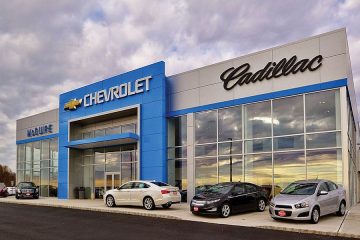
Car Buying Made Easy: Working With the Best Dealerships

Finding the right vehicle should feel exciting, not overwhelming. When you work with a reputable dealership, the entire buying journey becomes easier, more transparent, and far more enjoyable. Understanding what makes a dealership stand out helps you confidently choose where to shop and ensures you drive away with a vehicle that meets your needs.
What Defines a Top-Tier Dealership?
Exceptional dealerships prioritize trust, clarity, and customer satisfaction at every stage. They invest in service quality that extends beyond the sale, making them reliable partners for long-term vehicle ownership.
Signs of an outstanding dealership include:
-
Upfront pricing with no hidden fees
-
Knowledgeable sales professionals who listen instead of pressuring
-
Certified technicians and a dependable service department
-
Clean, well-maintained inventory
-
Verified vehicle history reports for all used vehicles
Types of Dealerships to Consider
The best dealership for you depends on whether you’re looking for new, used, or budget-friendly financing options. Each type serves a different kind of buyer.
Franchise Dealerships
These locations represent major auto manufacturers and offer:
-
Brand-new vehicles with full warranties
-
Factory-trained service teams
-
Certified pre-owned vehicles with added protection
Independent Dealerships
Often locally owned, these dealers provide:
-
Competitive pricing
-
A broad selection of pre-owned vehicles
-
Personalized customer attention
Buy-Here-Pay-Here Dealers
Ideal for buyers needing flexible financing, offering:
-
On-site loan approval
-
Payment plans designed for limited credit histories
-
No need for traditional bank financing
How to Choose the Best Dealership for Your Needs
A well-informed approach ensures you select a dealership that respects your time, budget, and expectations.
Review Customer Feedback
Look for patterns in customer opinions regarding:
-
Staff behavior
-
Vehicle reliability
-
Service after the sale
Explore Financing Options
High-quality dealerships provide access to:
-
Competitive interest rates
-
Multiple financing partners
-
Transparent loan terms
Examine Vehicle Listings
Strong inventory management reflects professionalism. Check for:
-
Accurate descriptions
-
Updated vehicle availability
-
Clear photos and feature details
What to Expect During the Buying Process
Knowing how the dealership experience unfolds helps you navigate each step smoothly.
Consultation and Vehicle Matching
Dealership experts should take the time to understand your driving habits, priorities, and budget before recommending vehicles.
Test Drive Experience
You should feel encouraged to explore the car thoroughly, ask questions, and evaluate performance, comfort, and features at your own pace.
Pricing, Negotiation, and Paperwork
Great dealerships offer fair pricing and guide you through:
-
Fee breakdowns
-
Warranty coverage
-
Financing documentation
Post-Purchase Support
The relationship doesn’t end after you leave the lot. Reputable dealers provide:
-
Maintenance services
-
Warranty assistance
-
Help with questions or unexpected issues
Why Working With the Best Dealerships Makes Car Buying Easier
Choosing a strong dealership ensures:
-
Confidence in the vehicle’s quality
-
Time savings through organized, customer-friendly processes
-
Fair financing options suited to your situation
-
Reliable long-term service for ongoing care
FAQ: Frequently Asked Questions
1. Are prices negotiable at most dealerships?
Yes, many dealerships offer negotiation flexibility, especially on used vehicles or during promotional events.
2. Should I get pre-approved for financing before visiting a dealer?
Pre-approval can strengthen your negotiating power and give you a clearer idea of your budget.
3. How long does the buying process usually take?
Most purchases take a few hours, including test drives, negotiation, and paperwork completion.
4. What should I inspect during a test drive?
Evaluate comfort, acceleration, braking, steering response, cabin noise, and overall visibility.
5. Do dealerships offer warranties on used cars?
Many provide limited warranties or certified programs that add extra protection.
6. Can I return a car after purchase if I change my mind?
Return policies vary by dealership, so it’s important to ask upfront.
7. How can I estimate the trade-in value of my current vehicle?
Dealers use condition, mileage, market demand, and appraisal tools to determine value.