
Top Car Dealer Guide: Choosing the Right Dealership for Your Next Vehicle
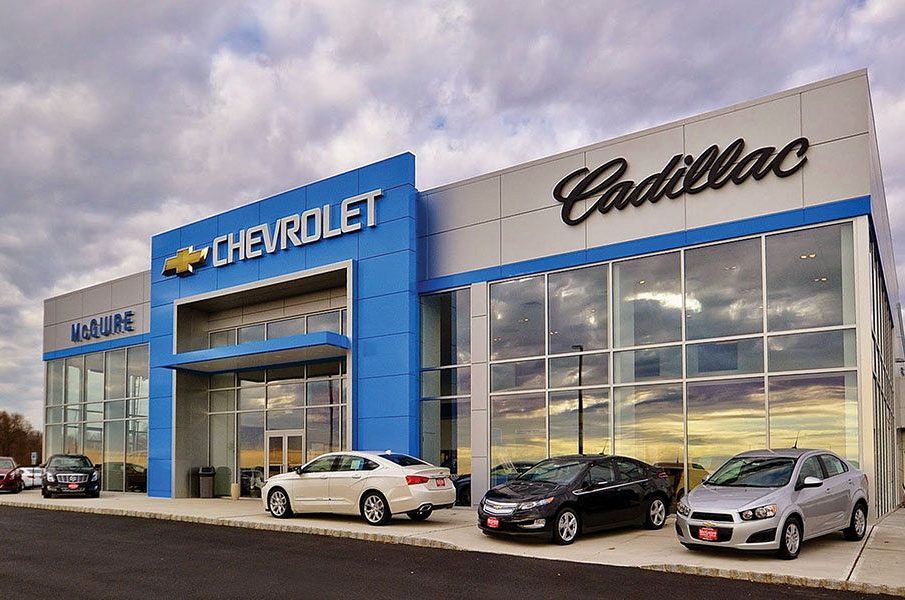
Buying a vehicle is a major decision, and the dealership you choose plays a significant role in shaping that experience. A trusted car dealer not only provides quality vehicles but also ensures transparency, fair pricing, and ongoing support. Understanding how to evaluate a dealership helps you make an informed and confident purchase.
What Makes a Car Dealer Trustworthy?
A reliable dealer stands out through clear communication, professional service, and a customer-first approach. The most reputable dealerships focus on long-term relationships rather than one-time sales, giving buyers confidence throughout the process.
Key qualities to look for include:
-
Transparent pricing without hidden fees
-
Certified technicians and reliable service departments
-
Accessible vehicle history reports for used cars
-
Strong customer reviews and industry reputation
-
Clear warranties and return policies
Types of Car Dealers
Dealerships typically fall into a few main categories, each offering unique benefits depending on what you’re looking for.
Franchise Dealerships
These represent major manufacturers and provide:
-
New vehicles with full warranties
-
Access to factory-trained service teams
-
Certified pre-owned options
Independent Dealerships
Often locally owned and flexible, they may offer:
-
Competitive pricing
-
A wide range of used vehicles
-
Personalized customer service
Buy-Here-Pay-Here (BHPH) Dealers
For buyers needing in-house financing, these dealerships offer:
-
Simplified loan approval
-
Direct payment arrangements
-
Options for individuals with limited credit history
How to Evaluate a Dealership Before Buying
Selecting the right dealer involves more than browsing inventory. A thoughtful assessment ensures a smoother, safer purchase.
Check Customer Feedback
Reviews reveal real experiences with:
-
Staff professionalism
-
Vehicle quality
-
Post-sale support
Compare Financing Options
A strong dealership provides:
-
Competitive loan terms
-
Multiple lender relationships
-
Clear explanations of interest rates and fees
Inspect the Inventory
Look for:
-
Well-maintained vehicles
-
Updated listings
-
Detailed descriptions and verified specifications
The Car Buying Experience: What to Expect
Understanding the buying process helps you avoid stress and surprises.
Initial Consultation
A good dealer listens to your needs, budget, and preferences, offering options that align with your requirements rather than pushing unnecessary upgrades.
Test Drives
This step allows you to evaluate comfort, performance, and overall suitability. A reputable dealership encourages questions and provides full access to vehicle features.
Negotiation and Paperwork
Clear documentation is essential. Expect straightforward explanations of:
-
Pricing breakdowns
-
Warranty terms
-
Loan agreements
After-Sale Support
A dependable dealer remains available after your purchase, offering:
-
Routine maintenance
-
Warranty servicing
-
Assistance with any concerns or adjustments
Benefits of Choosing the Right Car Dealer
A high-quality dealership enhances your buying journey in several ways:
-
Increased confidence in vehicle performance and safety
-
Long-term savings through reliable service and fair pricing
-
Streamlined buying process with experienced staff
-
Better financing opportunities tailored to your situation
FAQ: Frequently Asked Questions
1. How can I verify if a dealership is reputable?
Check customer reviews, industry ratings, and years of operation. Visiting the location in person also helps you assess professionalism.
2. What documents should I bring when purchasing a car?
Typically, you’ll need identification, proof of income, proof of residence, and insurance information.
3. Is it better to buy new or used from a dealer?
It depends on your budget and priorities. New vehicles offer warranties and the latest features, while used cars provide lower pricing and slower depreciation.
4. Do car dealers negotiate prices?
Most dealers are open to negotiation, especially on used vehicles or during promotional periods.
5. What is a certified pre-owned vehicle?
It’s a used car inspected and approved by the manufacturer or dealer, often including extended warranties and added protections.
6. Should I get a vehicle history report?
Yes. It reveals accident records, ownership details, mileage accuracy, and other important information.
7. Can I trade in my current vehicle at any dealership?
Most dealers accept trade-ins and apply the value toward your next purchase, though offers can vary between locations.