
Everything You Should Know Before Purchasing a Second-Hand Car
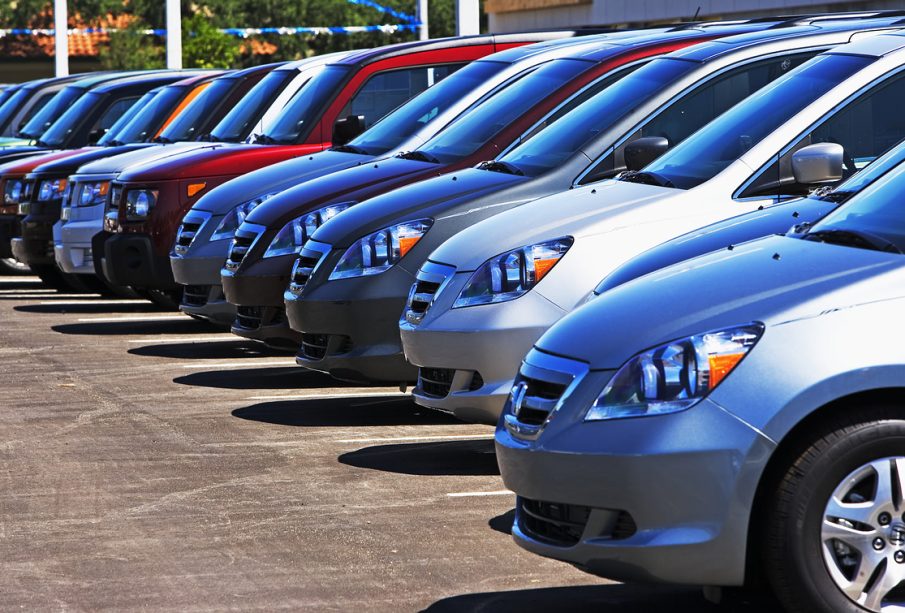
Buying a second-hand car can be a smart financial move, offering exceptional value without the high cost of a brand-new vehicle. Whether you’re upgrading your ride or buying your first car, understanding the purchasing process is crucial. This guide covers the key factors to consider so you can make an informed and confident decision.
Why Consider a Second-Hand Car?
A pre-owned vehicle offers several practical advantages for budget-conscious and value-driven buyers. Modern cars are built to last, and selecting the right used model can give you years of dependable performance.
Major Benefits of Buying Second-Hand
-
Lower upfront cost, allowing you to access higher trims or better models
-
Less depreciation, especially after the initial years of ownership
-
Reduced insurance premiums due to the lower market value
-
Extensive model variety, including discontinued or rare editions
-
Certified pre-owned options, giving added security with inspections and warranties
Determining Your Needs and Budget
Before stepping into the market, take time to clearly define what type of vehicle suits your lifestyle and financial situation.
Factors to Consider
-
Daily commute distance
-
Fuel efficiency requirements
-
Seating and cargo demands
-
Safety and reliability ratings
-
Expected maintenance and service costs
Set a realistic budget that includes more than the sticker price. Plan for:
-
Registration and transfer fees
-
Insurance payments
-
Minor repairs or upgrades
-
Inspection charges
What to Look for in a Second-Hand Car
Once you’ve narrowed your options, it’s important to evaluate each vehicle thoroughly. A detailed inspection protects you from hidden issues that could lead to costly repairs later.
Exterior and Interior Inspection
Check for signs that indicate damage or poor maintenance:
-
Uneven paint or mismatched panels
-
Tyre wear patterns
-
Rust, dents, or scratches
-
Interior upholstery condition
-
Dashboard lights or warning indicators
Mechanical Evaluation
A test under the hood can reveal a car’s true condition.
-
Engine performance and noise
-
Brake responsiveness
-
Transmission fluid health and shifting smoothness
-
Suspension behavior over bumps
-
Steering feedback and alignment
A professional mechanic inspection is strongly recommended before finalizing any deal.
Reviewing the Vehicle’s History
A comprehensive vehicle history report is one of the most valuable tools for a used car buyer. It highlights crucial details such as:
-
Accident records
-
Past ownership
-
Odometer accuracy
-
Service history
-
Title issues or outstanding loans
This information helps you assess whether the car has been properly maintained and legally cleared for sale.
The Importance of a Proper Test Drive
A test drive reveals how the vehicle feels and performs in real conditions. Pay attention to:
-
Acceleration smoothness
-
Braking strength and stability
-
Interior noise levels
-
Air conditioning performance
-
Visibility and driving comfort
Take your time and test the car on different road types, including highways and rough patches.
Where to Purchase a Second-Hand Car
You have multiple buying channels, each with its own strengths and limitations.
Dealerships
-
Offer certified and inspected vehicles
-
Provide warranties and financing options
-
Slightly higher prices due to dealer margins
Private Sellers
-
Lower prices and more flexible negotiation
-
Direct communication with the previous owner
-
Usually no warranty or buyer protection
Online Platforms
-
Large inventory
-
Easy comparison between models
-
Transparent pricing and detailed listings
Mistakes to Avoid When Buying Used
Steer clear of these common errors to ensure a smooth buying experience:
-
Skipping the inspection due to haste
-
Ignoring market price research, leading to overpaying
-
Overlooking ownership costs like insurance or repairs
-
Not reviewing paperwork carefully
-
Skipping the test drive
Conclusion
Purchasing a second-hand car can be a rewarding experience when approached with careful planning and informed judgment. By evaluating your needs, reviewing the car’s condition, and checking its history, you can confidently choose a vehicle that meets your expectations and budget.
FAQs
1. How many kilometers are acceptable for a second-hand car?
Most well-maintained cars under 150,000 km are considered reliable, depending on brand and service history.
2. Should I buy a second-hand car with high mileage?
High mileage is acceptable if the vehicle has a consistent maintenance record and no major accident history.
3. What documents should I check before buying?
Ensure the seller provides the registration certificate, insurance papers, service records, and pollution certificate.
4. Is it necessary to get a mechanic’s inspection?
Yes, a mechanic can identify hidden issues that may not be obvious during a regular check.
5. Are certified pre-owned cars worth the extra cost?
They often are, as they come with warranties, inspections, and verified history reports.
6. How do I know if a used car price is fair?
Compare similar models on online marketplaces, consider the car’s condition, and check market valuation tools.
7. Can I negotiate the price of a second-hand car?
Absolutely. Used car prices are usually flexible, especially with private sellers.