How Auto Parts Work: A Practical Guide for Drivers
Introduction
A vehicle is made up of thousands of components, each designed with a specific purpose to keep the car running safely and efficiently. For everyday drivers, understanding how these auto parts work not only improves confidence on the road but also helps in making smart maintenance and repair decisions. This guide breaks down the essential systems of a vehicle and explains how their parts function in real-world driving conditions.
How Engine Components Work
The Engine as a Power Source
The engine converts fuel into mechanical energy. It works through controlled combustion that pushes internal components to create motion.
Key Engine Parts and Their Functions
-
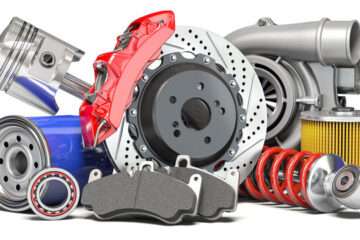
Pistons: Move up and down inside cylinders to produce power.
-
Spark Plugs: Ignite the air–fuel mixture, enabling combustion.
-
Fuel Injectors: Deliver fuel with precision for efficient burning.
-
Timing Belt/Chain: Keeps the engine’s internal movements synchronized.
Together, these parts ensure smooth acceleration, efficient fuel use, and consistent power delivery.
How the Transmission and Drivetrain Work
Transmission Function
A transmission controls how much power is sent to the wheels. It adjusts gear ratios to match the speed and load of the vehicle.
Main Components
-
Clutch or Torque Converter: Connects or disconnects the engine from the transmission.
-
Gear Sets: Change torque levels based on speed.
-
Drive Shaft: Transfers rotational power to the wheels.
-
Differential: Allows wheels to rotate at different speeds while turning.
This system ensures smooth gear shifting, stability, and efficient power distribution.
How the Suspension System Works
Purpose of Suspension
The suspension absorbs road impacts and maintains tire contact with the ground.
Key Parts
-
Shock Absorbers: Reduce vibrations and control vehicle bounce.
-
Struts: Provide structural support and absorb shock.
-
Control Arms: Connect wheels to the frame while allowing movement.
-
Springs: Support vehicle weight and manage vertical motion.
A healthy suspension system improves comfort, stability, and steering control.
How Vehicle Electronics Work
Modern Electronic Systems
Vehicles rely on electronics for engine management, safety features, and driver assistance.
Essential Components
-
Battery: Powers electrical systems.
-
Alternator: Recharges the battery while driving.
-
Sensors: Monitor speed, temperature, pressure, and more.
-
ECUs (Electronic Control Units): Interpret sensor data and adjust vehicle performance.
These systems keep your vehicle responsive and ensure consistent operation of critical features.
How the Braking System Works
Stopping Mechanism
Brakes convert kinetic energy into heat through friction to stop the car.
Key Braking Parts
-
Brake Pads: Press against rotors to create friction.
-
Rotors: Spin with the wheels and slow when pads clamp down.
-
Calipers: Control the movement of brake pads.
-
Brake Lines: Carry hydraulic fluid that activates braking force.
A well-functioning braking system ensures safe stopping distances and reliable performance.
How Cooling and HVAC Parts Work
Cooling System Function
Cooling prevents the engine from overheating.
Main Components
-
Radiator: Releases heat from coolant.
-
Water Pump: Circulates coolant throughout the engine.
-
Thermostat: Regulates engine temperature.
This system protects the engine from heat damage.
HVAC System Function
The HVAC system controls interior temperature and airflow using components such as compressors, condenser coils, and heater cores.
How Exterior and Structural Parts Work
Purpose of Exterior Components
Exterior parts protect the vehicle, improve aerodynamics, and enhance visibility.
Common Parts
-
Bumpers: Absorb impact during collisions.
-
Headlights/Taillights: Provide visibility and communication with other drivers.
-
Mirrors: Enhance situational awareness.
-
Fenders and Grilles: Protect the vehicle body and support airflow.
These components help maintain safety and overall vehicle function.
Why Understanding Auto Parts Matters
-
Helps diagnose issues early
-
Improves communication with mechanics
-
Reduces risk of costly failures
-
Enhances road safety
-
Allows smarter part selection and maintenance
Knowledge of basic auto part functions empowers drivers to make informed decisions.
FAQs
1. Do I need technical experience to understand how auto parts work?
No, learning the basic functions of key components is enough to boost confidence in vehicle maintenance and troubleshooting.
2. How often should I check major car components?
A general check every 3,000–5,000 miles is recommended, or during regular oil changes.
3. What are the most common signs of failing auto parts?
Strange noises, vibrations, warning lights, reduced performance, and fluid leaks are typical indicators.
4. Are aftermarket parts reliable for most drivers?
Yes, reputable aftermarket brands often offer performance and durability comparable to OEM components.
5. What parts impact fuel efficiency the most?
Spark plugs, oxygen sensors, air filters, fuel injectors, and tires all significantly affect fuel economy.
6. Can I replace basic auto parts at home?
Certain parts—like filters, wiper blades, and batteries—are DIY-friendly, while complex systems should be handled by professionals.
7. What auto parts require the most frequent replacements?
Brake pads, belts, filters, spark plugs, and batteries typically wear out the fastest.