
Optimizing Vehicle Performance Through Professional Car Maintenance
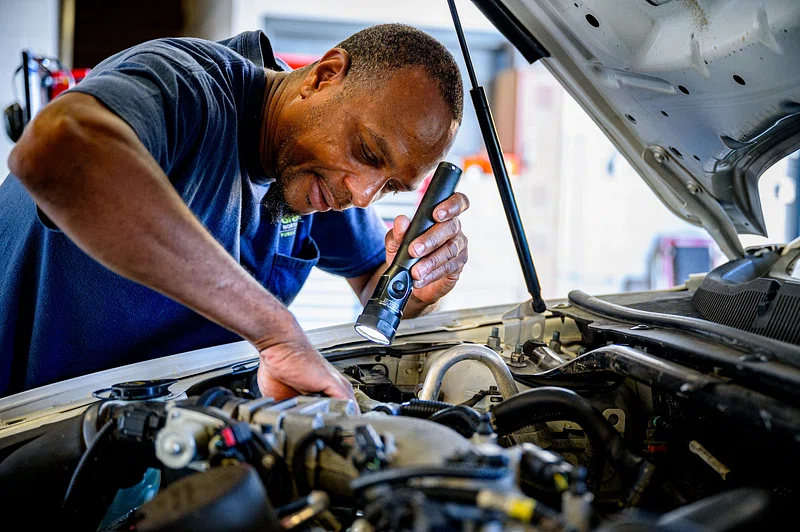
Maintaining your vehicle through scheduled professional service is one of the smartest ways to enhance performance, boost safety, and extend the lifespan of your car. Proper maintenance ensures your vehicle runs efficiently and helps prevent expensive repairs that arise from unnoticed issues. This guide explores how professional care improves performance and what every driver should know.
Why Professional Car Maintenance Matters
Routine maintenance does more than just replace worn parts—it keeps your vehicle operating at peak performance. Professional technicians have the expertise and tools to diagnose problems early, ensuring your car remains reliable and efficient throughout the year.
Key Reasons to Prioritize Maintenance
-
Better fuel efficiency
-
Improved engine performance
-
Increased road safety
-
Long-term cost savings
-
Higher resale value
Core Services That Boost Vehicle Performance
Engine Care
The engine is the heart of your vehicle, and its performance depends greatly on:
-
Clean engine oil
-
Fresh filters
-
Proper spark plug function
-
Timely belt and hose inspections
A well-maintained engine runs smoother, delivers better power, and reduces emissions.
Brake System Checks
Brakes directly affect safety and handling. Professional servicing ensures:
-
Optimal pad and disc condition
-
Smooth braking response
-
Safe stopping distances
-
Detection of early wear
Fluid Management
Fluids lubricate, cool, and support mechanical components. Key fluids include:
-
Engine oil
-
Coolant
-
Brake fluid
-
Power steering and transmission fluids
Regular replacement prevents friction, overheating, and mechanical damage.
Tire and Alignment Services
Tires impact comfort, handling, and efficiency. Maintenance includes:
-
Proper pressure
-
Tread depth checks
-
Wheel alignment
-
Tire rotation
Correct alignment enhances steering precision and improves fuel economy.
Electrical & Diagnostic Inspections
Modern cars rely heavily on electronics. Professional diagnostics identify:
-
Faulty sensors
-
Battery issues
-
Charging system irregularities
-
Emission-related problems
Early detection prevents sudden breakdowns.
Benefits of Professional Maintenance for Vehicle Performance
1. Maximum Engine Efficiency
Routine checks ensure all engine components work harmoniously, delivering stronger performance and smoother acceleration.
2. Enhanced Driving Comfort
Suspension, tires, and steering maintenance provide a balanced and comfortable driving experience.
3. Reduced Fuel Consumption
Clean filters, proper tire pressure, and optimized engine settings help reduce fuel usage.
4. Extended Vehicle Lifespan
Maintaining critical components prevents wear and tear from escalating into irreversible damage.
5. Reliable Year-Round Operation
Seasonal maintenance ensures your vehicle performs well in different weather conditions, from extreme heat to freezing temperatures.
How Drivers Can Maintain Performance Between Services
Even outside professional check-ups, daily care supports long-term performance:
-
Inspect oil levels regularly
-
Check tire pressure monthly
-
Clean the air filter if accessible
-
Keep the battery terminals free of corrosion
-
Watch for unusual noises or dashboard warnings
-
Avoid excessive idling and aggressive driving habits
Small habits make a significant difference over time.
Selecting the Right Maintenance Provider
Choosing a trusted service center ensures quality work. Consider:
-
Certified and experienced technicians
-
Transparent service checklists
-
Use of genuine or manufacturer-approved parts
-
Positive customer reviews
-
Clear pricing and warranty coverage
A reliable provider gives confidence that your car is in expert hands.
FAQs
1. How often should I schedule professional maintenance?
Most vehicles require servicing every 6–12 months, depending on mileage and driving conditions.
2. Does maintenance really improve vehicle performance?
Yes. Regular servicing ensures components work efficiently, leading to smoother driving and better fuel economy.
3. Can I maintain my car without visiting a technician?
You can perform basic tasks like checking oil or tire pressure, but deeper diagnostics and repairs require professional tools and skills.
4. What signs indicate my vehicle needs servicing?
Unusual noises, warning lights, poor fuel efficiency, or difficulty starting are common indicators.
5. Do electric cars need maintenance too?
Yes, although less frequently. They still require brake checks, tire care, and software diagnostics.
6. How long does a performance-focused service take?
Most services range from 1–4 hours, depending on the level of inspection and repairs needed.
7. Will regular maintenance increase my car’s resale value?
Absolutely. A documented maintenance history reassures buyers of the vehicle’s condition.