Mountain Driving 101: Safe Techniques for Steeper Inclines
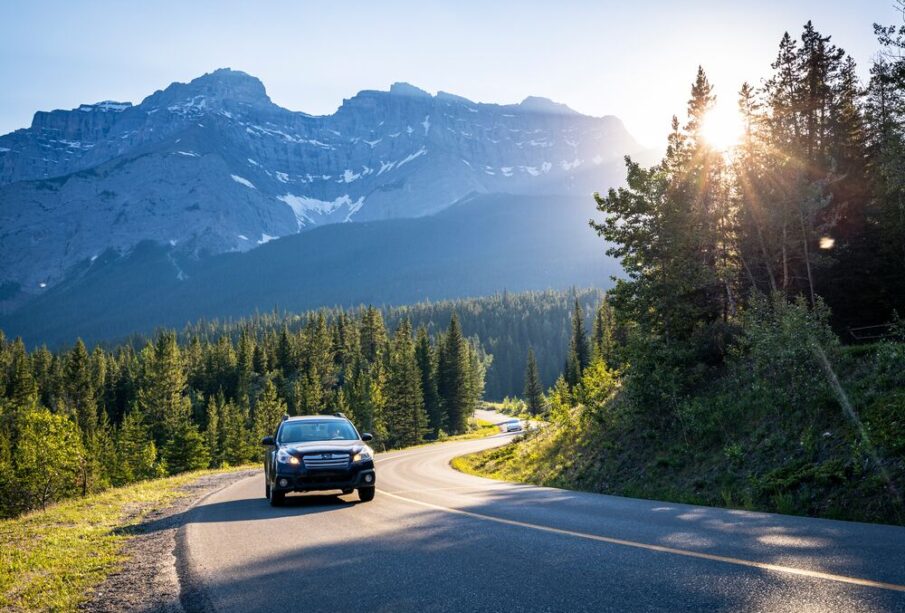
Winding through high-altitude mountain passes offers breathtaking vistas, dense pine forests, and dramatic geological formations. For many motorists, these scenic routes represent the quintessential American road trip. However, driving across mountainous terrain introduces severe mechanical and environmental challenges that flatland cruising simply never demands. Steep gradients, sharp switchbacks, thin air, sudden weather changes, and sheer drop-offs leave little room for driver error.
Handling a vehicle on dramatic elevations requires an understanding of vehicle dynamics, weight transfer, and powertrain thermal limits. Mastering the fundamentals of mountain driving prevents mechanical failures like boiled brake fluid and overheated cooling systems, transforming an intimidating high-altitude route into a safe, controlled, and enjoyable journey.
Pre-Trip Vehicle Preparation for High Elevations
Before setting rubber to the mountain pavement, a comprehensive mechanical evaluation is essential. The physical stresses placed on a car while climbing and descending steep grades amplify existing mechanical issues within miles.
-
Cooling System Integrity: Climbing extended grades demands substantial power from the engine, generating massive internal heat. Inspect radiator hoses for soft spots, ensure the radiator fan operates consistently, and check that the coolant mixture is clean and filled to the maximum cold level.
-
Brake System Assessment: Descending steep roads forces friction brakes to manage incredible kinetic energy. Measure brake pad friction material to ensure at least half of the original pad depth remains. Dark, moisture-laden brake fluid should be flushed with fresh fluid, as absorbed water drastically lowers the fluid boiling point and causes premature pedal fade.
-
Tire Tread Depth and Cold Inflation: Mountain roads are littered with loose gravel, frost breaks, and sudden runoff puddles. Ensure tires possess at least four-thirty-seconds of an inch of tread depth for adequate wet-weather grip. Check cold inflation pressures before leaving lower elevations, keeping in mind that ambient pressure changes and temperature swings alter tire pressure throughout the drive.
-
Transmission Fluid Levels: Automatic transmissions work exceptionally hard on mountain climbs due to torque converter slip and frequent gear hunting. Burnt, dark fluid cannot lubricate transmission clutch packs effectively, inviting severe overheating under high loads.
Mastering the Ascent: Managing Engine Power and Heat
Climbing a five to ten percent incline requires continuous engine power output, placing constant load on the drivetrain while atmospheric conditions work against performance.
-
Managing Thin Air Performance Losses: As elevation rises, air density drops. Naturally aspirated gasoline engines lose approximately three percent of their total horsepower for every one thousand feet of elevation gained. At a ten-thousand-foot mountain pass, an unboosted engine operates with nearly thirty percent less power. Drivers must compensate by using the throttle deliberately, anticipating slower acceleration during uphill merges.
-
Manual Downshifting to Prevent Gear Hunting: Leaving an automatic transmission in standard drive on an uphill ascent frequently causes gear hunting, where the computer shifts rapidly between high and low gears to satisfy throttle demand. This cycle generates extreme transmission fluid heat. Shift the transmission selector down into an intermediate gear to lock the engine into a steady, efficient powerband.
-
Monitoring the Dashboard Temperature Gauge: Keep a close eye on your engine temperature gauge during sustained climbs. If the needle begins creeping past the normal midpoint toward the red zone, turn off the vehicle air conditioner immediately to remove accessory load from the engine belt. If temperatures continue rising, roll down the windows and run the cabin heater on maximum fan speed; the interior heater core acts as a secondary radiator to help vent engine heat.
-
Maintaining Steady Momentum: Aggressive speed changes waste fuel and stress drivetrain mounts on an uphill run. Pick a conservative, steady cruising speed that allows the engine to hum smoothly without screaming at redline, and maintain a generous following distance so you never have to dump your uphill momentum behind a braking vehicle.
The Art of Descending: Conquering Brake Fade with Engine Braking
Gravity turns every vehicle into a runaway projectile when pointed down a long, steep grade. Relying solely on the brake pedal to govern downhill speed is the most dangerous mistake a driver can make in the mountains.
-
The Reality of Friction Brake Fade: Friction brakes operate by converting kinetic forward motion into thermal energy through pad-to-rotor contact. On long downhill descents, riding the brakes continuously generates temperatures exceeding eight hundred degrees Fahrenheit. This extreme heat glazes brake pads, creating a glass-like barrier that reduces friction to near zero. Worse, heat transfers into the hydraulic calipers, causing old brake fluid to boil into compressible steam and leaving the driver with a pedal that drops completely to the floor without slowing the car.
-
Harnessing Engine Braking: Engine braking uses internal engine vacuum and compression resistance to slow the drive wheels without touching the brake calipers. Before cresting the summit or beginning a steep descent, shift your vehicle into a lower transmission gear. In an automatic vehicle with manual gate controls or steering wheel paddle shifters, drop into second or third gear. In a manual vehicle, select a gear low enough to hold the car at a safe speed without riding the clutch.
-
The Snub Braking Technique: When engine braking alone does not slow the car enough, use snub braking rather than continuous light brake drag. Apply firm, steady brake pedal pressure for three to five seconds to scrub off ten miles per hour, then release the brake pedal completely for ten to twenty seconds. This release cycle lets ambient air circulate through the vented rotors, keeping internal thermal buildup below dangerous thresholds.
-
Heeding Runaway Truck Ramps: Along major mountain interstate descents, you will notice emergency runaway truck ramps filled with loose gravel or deep sand pointing uphill. These ramps are designed as emergency safety nets for commercial rigs and passenger vehicles whose brakes have completely burned out. Never park, idle, or stage photos near the entrance of a runaway ramp, as a runaway vehicle moving at high speed requires unhindered access.
Cornering Switchbacks and Maintaining Lateral Stability
Mountain highways carve through landscape topography via hairpin turns and switchbacks that reverse direction across steep vertical grades. Navigating these curves demands precise chassis balance.
-
Braking in a Straight Line: Always complete your deceleration before turning the steering wheel into a sharp mountain curve. Braking hard while actively turning forces the front tires to handle lateral turning forces and longitudinal stopping forces simultaneously, dramatically increasing understeer and causing the front tires to push wide toward the outside guardrail or cliff edge.
-
Trail Positioning on Blind Corners: Stay strictly disciplined within the center of your lane. Hugging the center yellow line on a blind uphill corner exposes your front corner to oncoming downhill motorists who might drift wide across the stripe. Conversely, hugging the shoulder puts tires onto loose aggregate, broken shale, and debris, which kills tractive grip.
-
The Physics of Downhill Weight Transfer: Heading down a steep grade transfers the center of mass forward over the front axle, lightening the rear tires. Entering a switchback too quickly down a hill causes the light rear end to swing out, especially over wet mountain asphalt or pine needles. Keep speeds modest to maintain balanced four-corner weight distribution.
Mountain Driving Etiquette and Right-of-Way Rules
Highways in rugged terrain follow specific statutory and customary rules to ensure traffic flows smoothly and safely.
-
Uphill Traffic Right-of-Way: On narrow, single-lane mountain passages where two oncoming vehicles meet, the vehicle traveling uphill possesses the legal right-of-way. It is vastly more difficult and dangerous for an uphill vehicle to stop, hold position on a steep incline, and restart forward momentum without sliding backward. The vehicle traveling downhill must yield, stop, and back into a turnout if space requires.
-
Using Designated Turnout Bays: If you prefer driving at a relaxed pace or your vehicle struggles under the grade, check your rearview mirrors often. If three or more vehicles gather behind your bumper, pull completely into the next paved turnout bay to let traffic pass safely. Forcing faster motorists to follow slow vehicles creates frustration, leading to hazardous blind-pass maneuvers over double-yellow lines.
-
Passing Lane Manners on Upward Climbs: Mountain highways frequently open up auxiliary passing lanes on uphill grades to allow faster traffic to bypass slower trucks. When the passing lane appears, merge smoothly to the right unless you are actively overtaking another vehicle, and never speed up in the right lane to block people from passing.
Changing Weather and Altitude Variables
Weather changes rapidly in alpine environments. A balmy seventy-degree afternoon in the valley can turn into freezing rain, sleet, or dense pea-soup fog over an eight-thousand-foot summit within forty-five minutes.
-
Navigating Dense Alpine Fog: Clouds often sit directly on high-altitude passes. High-beam headlights bounce off water droplets, creating a wall of glare that blinds the driver. Switch exclusively to low-beam headlights and dedicated yellow or amber fog lights. Use the painted right-side fog line on the asphalt as an optical guide to stay centered in your lane.
-
Black Ice on Shaded Mountain Ridges: Mountain passes feature microclimates where deep rock cuts and north-facing slopes receive zero direct sunlight throughout the day. Moisture on these shaded pavement sections freezes into invisible black ice, even when ambient valley temperatures register well above freezing. Approach bridge decks, shadows, and elevated overpasses with extreme caution.
-
Tire Traction Device Readiness: Many mountain states enforce strict chain laws across winter and spring months. Keep a set of properly sized tire chains, cable traction devices, or tire socks in the trunk along with a pair of work gloves and a kneeling pad, and verify you know how to install them before driving up the mountain.
Frequently Asked Questions
Why does high-altitude mountain air affect my vehicle fuel economy?
At higher elevations, ambient air contains fewer oxygen molecules per cubic foot. The engine mass airflow sensor detects this lower oxygen volume, signaling the computer to inject less fuel into the cylinders to maintain the ideal air-fuel ratio. While this prevents the engine from running rich, the massive power loss forces you to press the gas pedal deeper and hold lower gears, resulting in poor uphill fuel economy.
Can an electric vehicle use engine braking on steep mountain descents?
Electric vehicles utilize regenerative braking, which acts similarly to engine braking. When descending, the electric drive motors reverse their function, converting the kinetic energy of the rolling car back into electrical energy that recharges the high-voltage battery pack. This provides continuous slowing power without heating the hydraulic friction brakes. However, if an EV battery is charged to one hundred percent capacity at the top of a pass, regenerative braking is disabled to prevent overcharging, requiring the driver to rely on mechanical friction brakes until battery capacity drops.
What causes modern vehicles to exhibit vapor lock or fuel boil at high altitudes?
Lower atmospheric pressure reduces the boiling point of automotive liquids, including gasoline. On warm days at high elevations, fuel lines exposed to trapped under-hood heat can cause fuel to vaporize inside the low-pressure lines before reaching the injectors. This interrupts steady fuel flow, causing the engine to stumble, lose power, or stall. Modern high-pressure electric in-tank fuel pumps have largely eliminated this problem, but it remains a hazard for older carbureted classics.
What is the safest way to park on a steep mountain incline?
When parking on a steep incline, always apply the mechanical emergency brake firmly before shifting the transmission into park. If parking uphill facing a raised curb, turn the front wheels sharply to the left toward the center of the road; if the car rolls backward, the front tire rolls into the curb face to stop the vehicle. If parking downhill, or uphill without a curb, turn the front wheels sharply toward the road edge so that any rolling motion steers the vehicle off the road rather than into traffic.
Should tire pressures be lowered at high elevations to match atmospheric pressure drops?
No. As a vehicle ascends into lower atmospheric pressure, internal tire gauge pressure rises naturally by roughly one pound per square inch for every two thousand feet of elevation. However, this pressure increase is typically offset by cooler ambient mountain temperatures. You should never bleed air out of warm tires on a mountain summit, as doing so leaves your tires underinflated once you descend back into the warm, dense air of lower valleys.
How does descending in neutral damage a car and endanger the occupants?
Coasting down a mountain pass in neutral disconnects the drive wheels from the transmission and engine entirely, removing all engine braking assistance. The entire weight of the descending vehicle must then be arrested solely by the friction brakes, causing them to overheat and fail within minutes. Furthermore, coasting in neutral is illegal in most states because it robs the driver of immediate throttle control to power out of an unexpected emergency maneuver.
What should you do if your engine begins overheating while stuck in slow mountain traffic?
If heavy traffic traps you on a steep uphill climb and your engine begins to overheat, pull onto the shoulder as far as safety allows, place the vehicle in park, and let the engine idle at around one thousand five hundred RPM. Revving slightly increases water pump flow and draws more cooling air through the radiator via the fan. Never shut the engine off immediately while boiling hot, as this stops coolant circulation and causes a localized thermal spike that can warp the cylinder head.