The Evolving World of Automobiles: Trends, Technology, and the Future of Mobility

Introduction
The automobile industry has entered one of its most transformative eras. With advancements in electric powertrains, autonomous driving, sustainability initiatives, and smart connectivity, modern vehicles are evolving into sophisticated mobility solutions rather than simple modes of transport. This article explores the driving forces behind the automotive revolution and how they impact consumers, manufacturers, and global transportation systems.
Technological Innovations Reshaping Automobiles
Electric Vehicles (EVs) Take Center Stage
Electric mobility is no longer a distant concept—it’s the present and future of the auto industry. Key factors driving EV adoption include:
- Zero tailpipe emissions
- Lower long-term maintenance costs
- Increasing availability of charging infrastructure
- Government incentives and environmental regulations
Major automakers now invest heavily in EV development, rolling out models competing in performance, range, and affordability.
Advancements in Battery Technology
The progress in lithium-ion and solid-state batteries has significantly enhanced EV capabilities. Improved energy density leads to:
- Longer driving ranges
- Faster charging times
- Better safety and thermal management
Solid-state batteries, in particular, hold promise for revolutionary leaps in efficiency.
Autonomous Driving Systems
Self-driving technology is one of the most anticipated automotive developments. Using AI, lidar, radar, and advanced sensors, vehicles can now perform tasks such as:
- Lane keeping and automatic steering
- Adaptive cruise control
- Collision avoidance
- Automated parking
Although fully autonomous vehicles are still undergoing testing, partial automation is already standard in many models.
Connectivity and Smart Features
Integration of IoT and Cloud Technology
Modern vehicles act as connected devices, offering real-time data and seamless user interaction. Features include:
- Remote diagnostics
- Over-the-air (OTA) software updates
- Integrated mobile apps
- Voice assistants and smart infotainment
Such connectivity enhances safety, performance, and user experience.
Enhanced Safety Systems
New-age automobiles prioritize driver and passenger safety through innovations like:
- Advanced Driver Assistance Systems (ADAS)
- 360-degree cameras
- Pedestrian detection
- Driver monitoring technologies
These systems work proactively to reduce accidents and ensure safer roads worldwide.
Sustainability: A Driving Force
Eco-Friendly Manufacturing
The shift toward sustainability goes beyond tailpipe emissions. Automakers increasingly adopt:
- Recyclable and lightweight materials
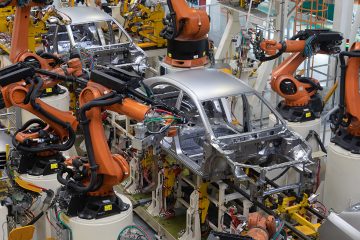
- Low-waste production techniques
- Renewable energy usage in factories
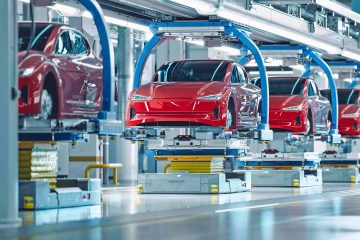
This cradle-to-grave environmental approach aims to minimize the overall carbon footprint of vehicles.
Alternative Power Sources
Beyond electric power, researchers and manufacturers explore alternatives such as:
- Hydrogen fuel cells
- Hybrid systems
- Biofuel-compatible engines
These diverse solutions help address varying regional needs and infrastructure differences.
Market Trends and Consumer Behavior
Growing Demand for SUVs and Crossovers
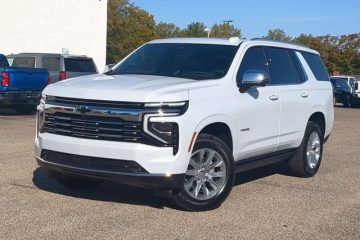
Consumers continue to favor SUVs for their versatility, comfort, and enhanced safety features. Automakers respond by offering compact, electric, and performance-focused SUV variants.
Rise of Mobility Services
Urban residents increasingly embrace shared mobility, including:
- Car-sharing
- Subscription-based vehicle access
- Ride-hailing services
This shift challenges traditional ownership models and encourages innovation in vehicle design and fleet management.
The Road Ahead: What the Future Holds
The next decade will redefine mobility with breakthroughs in:
- Full vehicle autonomy
- Smart city integration
- Ultra-fast charging
- Sustainable energy ecosystems
- Personalized vehicle AI experiences
Automobiles are becoming more than machines—they are evolving into intelligent mobility companions that adapt to user needs while supporting environmental goals.
FAQs
1. What is the biggest trend currently shaping the auto industry?
Electrification remains the most influential trend, with manufacturers prioritizing electric vehicles and sustainable technologies.
2. How soon can we expect fully autonomous cars?
While partial autonomy is already available, widespread adoption of fully autonomous vehicles will depend on regulations, infrastructure, and technological maturity.
3. Are electric vehicles cheaper to maintain?
Yes. EVs generally require less maintenance due to fewer moving parts and the absence of components like oil filters and timing belts.
4. What role does AI play in automotive development?
AI powers autonomous driving, predictive maintenance, voice control systems, and advanced safety technologies.
5. How do modern cars improve fuel efficiency?
Innovations like hybrid systems, lightweight materials, improved aerodynamics, and smarter engine management enhance fuel efficiency.
6. Are hydrogen fuel cell vehicles a viable alternative to EVs?
Hydrogen vehicles offer fast refueling and long range, but their adoption depends on infrastructure development.
7. What are over-the-air (OTA) updates in vehicles?
OTA updates allow manufacturers to remotely upgrade vehicle software, improving performance and adding new features without dealership visits.
If you’d like, I can refine the article, target a specific automotive niche, or generate additional images.