
Essential Guide to Car Service: Types, Benefits & Maintenance Tips
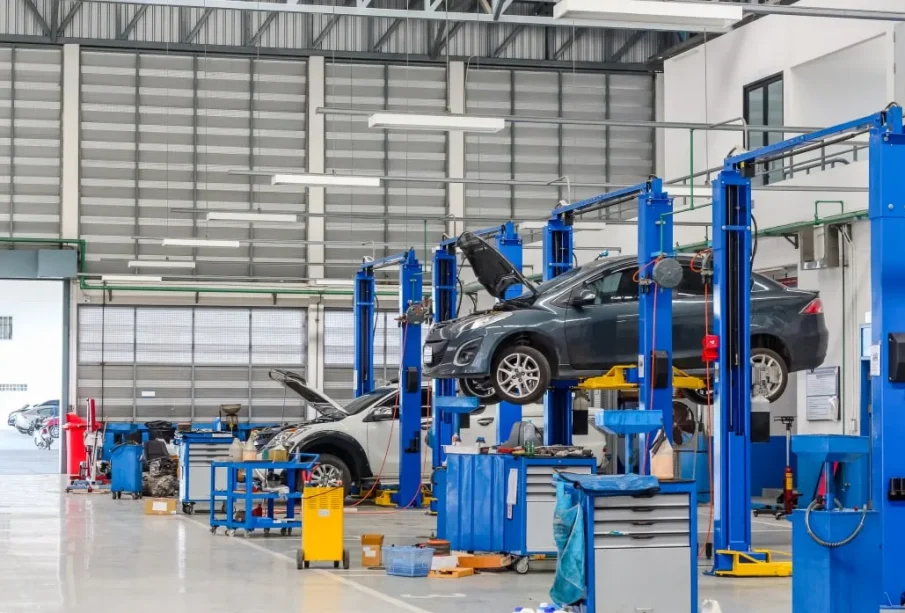
Regular car servicing is essential for preserving vehicle performance, enhancing safety, and reducing long-term repair costs. Whether you drive occasionally or rely on your car daily, proper maintenance ensures reliability and peace of mind. This guide breaks down everything you need to know—from service types to expert tips—so you can care for your vehicle like a pro.
Why Regular Car Service Matters
Car servicing is more than just an oil change. It’s a complete health check for your vehicle that helps:
-
Improve engine efficiency
-
Extend vehicle lifespan
-
Enhance fuel economy
-
Prevent costly mechanical failures
-
Maintain safety standards
Neglecting regular service can result in breakdowns, poor performance, and expensive repairs.
Types of Car Services
1. Interim Service
Ideal for high-mileage drivers, typically performed every 6 months or 6,000 miles. It includes:
-
Oil and filter replacement
-
Fluid level checks
-
Brake inspection
-
Suspension and steering checks
2. Full Service
Recommended every 12 months or 12,000 miles. A full service provides a deeper inspection covering:
-
Engine oil and filter
-
Air and cabin filters
-
Brake fluid
-
Exhaust system
-
Battery and charging system
-
Tire condition and rotation
3. Major Service
Conducted every 24 months, this is the most comprehensive option. It may include:
-
Spark plug replacement
-
Fuel system checks
-
Full brake system inspection
-
Timing belt assessment (if required)
What Happens During a Car Service?
A professional service typically includes:
Engine & Mechanical Checks
Technicians inspect essential components such as the engine, belts, hoses, and ignition system. They ensure that everything is working smoothly without leaks or abnormal wear.
Safety Inspections
This includes examining:
-
Brake pads and discs
-
Steering alignment
-
Suspension components
-
Tire health and tread depth
Fluid Replacements
Fresh fluids are crucial for smooth operation. Services may include:
-
Engine oil
-
Brake fluid
-
Coolant
-
Transmission fluid
Diagnostic Scan
Modern vehicles use onboard computers. Technicians use diagnostic tools to detect issues that may not be visible, such as sensor faults or emission irregularities.
Benefits of Routine Car Servicing
1. Enhanced Safety
A well-maintained vehicle reduces the risk of accidents caused by mechanical failure.
2. Better Fuel Efficiency
Clean oil, fresh filters, and properly inflated tires help the engine run smoothly while consuming less fuel.
3. Higher Resale Value
Buyers prefer vehicles with complete service histories, making regular maintenance a smart investment.
4. Lower Repair Costs
Early detection of problems prevents minor issues from escalating into major, costly repairs.
Tips for Maintaining Your Car Between Services
Even with regular professional maintenance, daily care is important:
-
Check tire pressure monthly
-
Monitor engine oil levels
-
Inspect lights and indicators regularly
-
Avoid aggressive driving habits
-
Keep the car clean to prevent corrosion
These small steps help prolong the benefits of your scheduled services.
How to Choose the Right Car Service Provider
When selecting a workshop:
-
Look for certified technicians
-
Ensure they provide a clear service checklist
-
Check reviews and reputation
-
Compare pricing and warranty options
-
Confirm they use manufacturer-approved parts
A reliable service center ensures quality work and long-term trust.
FAQs
1. How often should I get my car serviced?
Most vehicles require servicing every 12 months or 12,000 miles, but high-mileage drivers may need more frequent checks.
2. What happens if I skip a car service?
Skipping service increases the risk of breakdowns, poor fuel economy, and costly repairs due to unnoticed wear.
3. Do new cars need servicing?
Yes. Even new vehicles require regular maintenance to protect the warranty and ensure optimal performance.
4. How long does a typical car service take?
An interim service may take 1–2 hours, while a full or major service can take 2–4 hours depending on the complexity.
5. Is a diagnostic check included in a full service?
Most modern full services include digital diagnostics, but it’s wise to confirm with your service provider.
6. Can I service my car myself?
Basic tasks like checking fluids and changing wipers can be done at home, but major servicing should be left to professionals.
7. Does regular servicing really save money?
Yes. Preventive maintenance reduces breakdown risks and avoids expensive repairs in the long run.