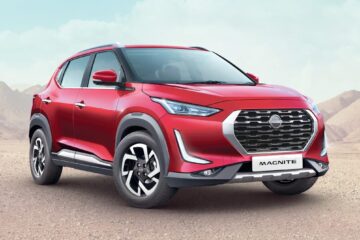
The Complete Guide to Buying a Used Car

Purchasing a used car is one of the smartest ways to save money while still getting a reliable vehicle suited to your lifestyle. Whether you want a budget-friendly commuter, a family SUV, or a lightly used luxury model, understanding the process helps you avoid common pitfalls and make a confident decision.
Why Buying a Used Car Makes Sense
Opting for a pre-owned vehicle offers several significant advantages:
- Lower purchase cost compared to new models
- Slower depreciation, preserving value
- Lower insurance premiums
- Wider variety of model years and trim options
- The ability to buy more features for less
This combination of savings and flexibility has made the used-car market more popular than ever.
What to Look for in a Reliable Used Car
Choosing the right vehicle requires careful evaluation. Focus on the following factors to avoid surprises later.
Vehicle History Report
A detailed report provides crucial insights such as:
- Previous ownership
- Accident history
- Odometer accuracy
- Title status (clean, salvage, rebuilt)
A clean history boosts confidence in the car’s long-term reliability.
Mileage and Age
Mileage gives a rough idea of how much life a vehicle might have left.
- Under 60,000 miles: Ideal for most buyers
- 60,000–120,000 miles: Acceptable if well-maintained
- Over 120,000 miles: May still be reliable, but requires extra inspection
Balance mileage with age—a newer car with slightly higher mileage can be better than an older, low-mileage alternative.
Mechanical Condition
Always assess mechanical components, either personally or through a certified mechanic:
- Engine sound and performance
- Transmission behavior (smooth shifting, no slipping)
- Brake condition
- Suspension stability
- Fluid levels and potential leaks
A professional inspection is often the best investment you can make.
Essential Steps Before You Buy
Taking a systematic approach helps ensure you’re getting good value.
1. Set Your Budget
Include additional costs such as:
- Taxes and registration
- Insurance
- Immediate maintenance (tires, brakes, fluids)
2. Compare Multiple Options
Browse different dealerships and online marketplaces to understand pricing trends for your desired model.
3. Test Drive Thoroughly
During the test drive, pay attention to:
- Steering responsiveness
- Engine noise
- Cabin comfort
- Brake performance
- Acceleration and gear shifting
A real-world drive reveals issues you won’t notice by visually inspecting the car.
4. Negotiate Smartly
Research the market value of the car before negotiating. Mention recent maintenance needs (if any) and comparable listings to secure a fair price.
Best Places to Buy a Used Car
Different sources offer unique advantages depending on your priorities.
Certified Pre-Owned (CPO)
- Manufacturer-backed warranties
- Multi-point inspections
- Higher price but better peace of mind
Dealerships
- Financing options available
- Broad inventory
- Some warranty coverage depending on the dealer
Private Sellers
- Typically lower prices
- More room for negotiation
- Requires careful inspection and documentation checking
Understanding Total Ownership Costs
The sticker price is just the beginning. Evaluate ongoing expenses such as:
- Fuel consumption
- Insurance premiums
- Routine maintenance
- Replacement parts availability
- Long-term resale value
These factors determine whether a car remains budget-friendly years after purchase.
Tips to Avoid Common Used-Car Buying Mistakes
- Never skip a pre-purchase inspection
- Avoid rushing your decision
- Check for any outstanding recalls
- Verify paperwork and VIN number
- Be cautious of deals that seem “too good to be true”
Following these steps dramatically reduces your chances of buying a problematic vehicle.
FAQs
1. Is it better to buy a used car from a dealer or a private seller?
Dealers offer warranties and structured transactions, while private sellers generally provide lower prices. Your choice depends on your comfort with risk and your budget.
2. How old should a used car be to ensure reliability?
Cars between 2–6 years old often strike the best balance between modern features and affordability.
3. What mileage is considered too high for a used car?
Anything exceeding 150,000 miles requires careful inspection, though well-maintained vehicles can still perform reliably beyond that point.
4. Can I finance a used car easily?
Yes. Most dealerships and many banks offer financing for used cars, though interest rates may be slightly higher than for new vehicles.
5. What documents should I check before buying a used car?
Verify the title, service records, VIN, bill of sale, and smog/emissions certificates (if required in your region).
6. How long should a test drive be?
At least 15–20 minutes, covering highways, city roads, and rougher surfaces for a thorough assessment.
7. Do used cars come with warranties?
Certified Pre-Owned models often include warranties, while standard used cars may come with limited dealer warranties or none at all.