High-Quality Auto Parts Guide: Types, Functions & Buying Tips
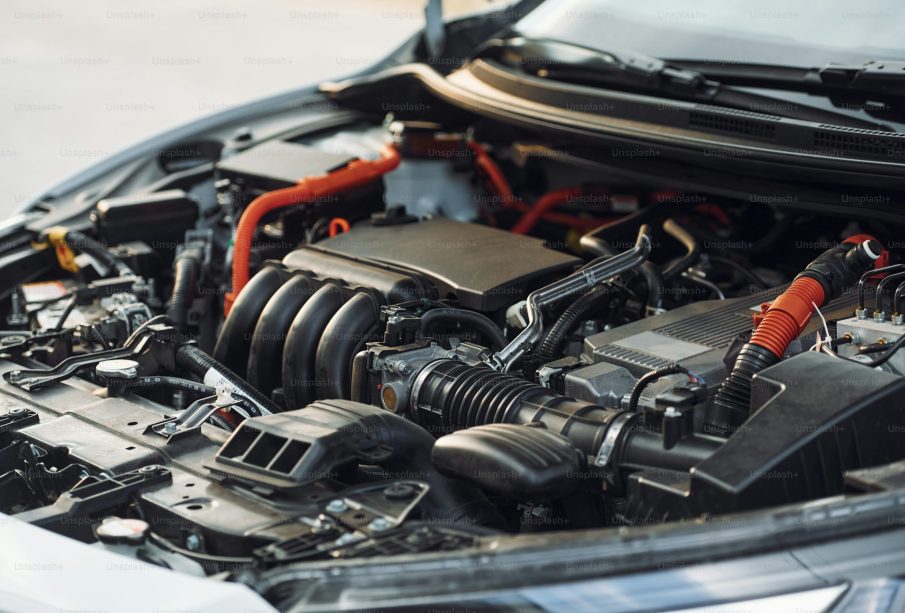
Every vehicle depends on a network of mechanical, electrical, and structural components to function safely and efficiently. The quality of these auto parts directly affects performance, fuel economy, safety, and long-term reliability. Knowing how these components work helps car owners make informed decisions when performing maintenance or shopping for replacements.
Major Categories of Auto Parts
Engine Components
The engine consists of multiple internal parts that work together to convert fuel into motion. Key pieces include:
-
Pistons for combustion power
-
Spark plugs to ignite the air–fuel mixture
-
Fuel injectors for precise fuel delivery
-
Timing belts/chains to coordinate internal movement
Dependable engine components support smoother operation and better fuel efficiency.
Transmission and Drivetrain Parts
These components deliver power from the engine to the wheels. Essential parts include:
-
Clutches
-
Gearboxes
-
Drive shafts
-
Differentials
Quality drivetrain parts ensure stable performance, smooth shifting, and improved traction.
Suspension and Steering Components
These parts determine how a vehicle handles bumps, turns, and road imperfections. Common components include:
-
Shock absorbers
-
Struts
-
Control arms
-
Tie rods
A healthy suspension system enhances ride comfort and steering accuracy.
Electrical and Electronic Systems
Modern vehicles depend heavily on electronics for both performance and safety. Important components include:
-
Batteries
-
Alternators
-
Sensors
-
Engine Control Units (ECUs)
Reliable electrical parts support smooth starting, stable power supply, and effective system communication.
Braking System Components
Safe stopping power relies on the following parts:
-
Brake pads
-
Rotors
-
Calipers
-
Brake lines
High-quality braking components reduce stopping distances and improve overall safety.
Cooling and HVAC Parts
Proper temperature regulation prevents overheating and ensures cabin comfort. Key components include:
-
Radiators
-
Water pumps
-
Thermostats
-
AC compressors
A well-maintained cooling system protects your engine and your comfort.
Body and Exterior Parts
Exterior components contribute to vehicle structure, appearance, and protection. These include:
-
Bumpers
-
Headlights and taillights
-
Mirrors
-
Fenders and grilles
Quality exterior parts improve safety and maintain your car’s visual appeal.
How to Choose the Right Auto Parts
Check Compatibility
Confirm that every part matches your vehicle’s make, model, year, and engine type to avoid installation issues.
Choose OEM or Trusted Aftermarket Brands
OEM parts guarantee precise fit and performance, while reputable aftermarket brands offer reliable alternatives at competitive prices.
Evaluate Material and Build Quality
Higher-quality materials typically last longer and enhance vehicle performance.
Review Customer Feedback
User reviews help identify dependable products and brands with proven results.
Be Cautious of Extremely Low Prices
Overly cheap parts may sacrifice durability and safety.
Benefits of Using High-Quality Auto Parts
-
Increased vehicle safety
-
Reduced breakdown risk
-
Improved fuel efficiency
-
Longer component lifespan
-
Enhanced driving comfort
-
Higher resale value
Maintenance Tips for Longer-Lasting Auto Parts
-
Follow the service intervals recommended by your vehicle manufacturer
-
Use premium-quality fluids and lubricants
-
Inspect rotating and moving components frequently
-
Replace worn parts before they fail completely
-
Keep filters clean to maintain airflow and engine efficiency
-
Monitor dashboard warning lights promptly
FAQs
1. Are OEM parts always better than aftermarket alternatives?
OEM parts offer guaranteed compatibility, while high-quality aftermarket options can provide comparable performance at a lower cost.
2. How often should air filters be replaced?
Most air filters should be replaced every 12,000–15,000 miles, depending on driving conditions.
3. What signs indicate that my battery may need replacement?
Slow engine cranking, dim headlights, and electrical issues are common indicators.
4. Do upgraded performance parts affect fuel efficiency?
Some upgrades, such as improved air intake systems, may boost efficiency, while others may increase fuel consumption.
5. Is it safe to install auto parts myself?
DIY installation works for simple parts, but complex systems like transmissions or airbags should be handled by certified technicians.
6. How can I ensure I’m buying genuine auto parts?
Purchase from authorized dealers, verify part numbers, and avoid suspiciously low prices.
7. Which auto parts typically require the most frequent replacement?
Brake pads, belts, filters, spark plugs, and batteries commonly wear out sooner than other components.