The Future of the Auto Industry: Technology, Innovation, and Sustainable Mobility
Introduction
The automotive sector has undergone radical transformation over the past century, evolving from simple mechanical machines into intelligent, software-driven systems. Today, the auto industry sits at the center of innovation, blending engineering, sustainability, and digital technology to meet changing consumer expectations.
The Transformation of Vehicle Design
Modern vehicles are engineered with a focus on performance, safety, and efficiency. Several factors continue to reshape automotive design:
Emphasis on Aerodynamics
Designers now prioritize shapes that minimize drag, improving both fuel economy and electric driving range.
Lightweight Materials
Manufacturers increasingly rely on aluminum, carbon fiber, and high-strength steel to reduce weight without compromising durability.
Integration of Smart Features
Cars now incorporate:
-
Digital dashboards
-
Advanced driver-assistance systems (ADAS)
-
Real-time navigation and connectivity
-
Over-the-air software updates
These advancements move vehicles closer to fully autonomous operation.
The Rise of Electric Vehicles (EVs)
Electric mobility is one of the most significant developments in the auto world.
Growing Consumer Adoption
Drivers are embracing EVs for advantages such as:
-
Lower operating costs
-
Smooth, quiet performance
-
Reduced emissions
Government incentives and expanding charging networks further accelerate demand.
Battery Technology Advancements
EV progress hinges on improvements in battery chemistry. Modern lithium-ion packs offer:
-
Higher energy density
-
Faster charging
-
Longer lifespan
Emerging solid-state batteries promise even greater efficiency and safety.
Automation and Artificial Intelligence in Autos
AI is reshaping the auto sector from manufacturing to real-world driving.
Autonomous Driving Capabilities
Vehicles now use combinations of sensors, cameras, and AI algorithms to support advanced functions like:
-
Adaptive cruise control
-
Lane-keeping assistance
-
Automatic braking
Although fully driverless cars remain in development, incremental innovations continue to enhance road safety.
Smart Manufacturing
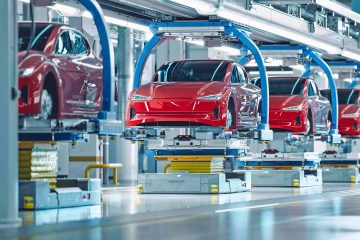
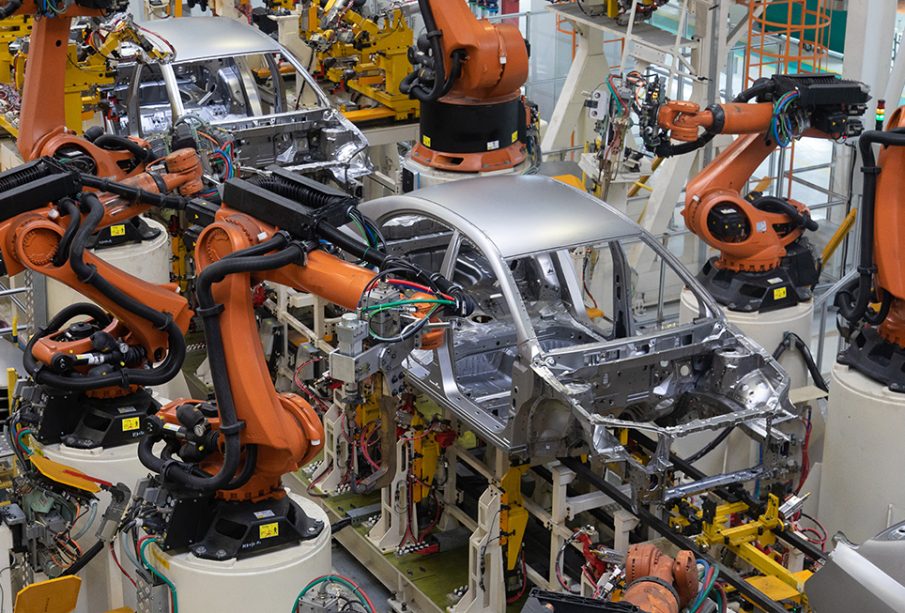
Factories implement robotics, predictive analytics, and digital twins to streamline production and reduce defects. This digital transformation increases precision while cutting costs.
Sustainability Efforts in the Auto Industry
Environmental responsibility has become a core focus for automakers.
Eco-Friendly Production
Companies invest in:
-
Renewable energy for factories
-
Waste reduction programs
-
Sustainable supply chain practices
Alternative Fuel Technologies
In addition to EVs, automakers explore:
-
Hydrogen fuel-cell systems
-
Hybrid configurations
-
Biofuel-compatible engines
These solutions offer diverse pathways to cleaner transportation.
What the Future Holds
Upcoming years will bring rapid advancements, including:
-
Wider EV affordability
-
Fully connected smart transportation networks
-
Greater use of recyclable materials
-
Enhanced autonomous vehicle capabilities
The auto industry will continue blending innovation with environmental responsibility to meet global mobility needs.
Frequently Asked Questions (FAQ)
1. What factors should buyers consider when choosing a new vehicle?
Shoppers should compare safety ratings, fuel efficiency, maintenance costs, and technology features to determine the best fit.
2. Are electric vehicles more expensive to maintain?
EVs typically require less maintenance because they have fewer moving parts and no engine oil, though battery replacement can be costly.
3. How long does it take to charge an electric car?
Charging time varies by charger type. Fast chargers can replenish much of the battery in under an hour, while home chargers take several hours.
4. What is the lifespan of a modern car battery?
Most EV batteries last 8–15 years depending on climate, usage habits, and charging patterns.
5. How safe are autonomous driving features?
Assistance features significantly reduce human error, but drivers must remain attentive, as full autonomy is still under development.
6. What role does AI play in vehicle safety?
AI analyzes sensor data to detect hazards, assist in braking, and maintain lane position, improving overall driving safety.
7. Are hydrogen-powered vehicles a practical alternative?
Hydrogen vehicles show promise, especially for long-distance travel, but limited fueling infrastructure currently restricts widespread adoption.