Automotive Industry Trends and Developments: Technology, Innovation, and the Road Ahead
Introduction
The automotive industry is experiencing rapid transformation driven by technological breakthroughs, environmental priorities, and evolving consumer demands. Manufacturers are rethinking traditional vehicle design while embracing digital systems, automation, and sustainable solutions. These ongoing changes illustrate how the future of mobility is shifting toward cleaner, safer, and more efficient transportation.
Growth of Electric Vehicles
Electric vehicles have become central to global transportation goals as brands increase investment in battery innovation and emissions reduction.
Why EV Demand Is Rising
-
Improved battery performance offering longer driving ranges
-
Expanding charging infrastructure across urban and rural areas
-
Supportive government policies encouraging clean-energy adoption
-
Lower long-term maintenance costs compared to internal combustion engines
As a result, more automakers are transitioning their lineups to fully or partially electric models within the next decade.
Autonomous Driving Technology
Automation is reshaping the driving experience. Vehicles equipped with advanced driver-assistance systems are becoming more common, and higher levels of autonomy are gradually emerging.
Notable Developments
-
Sensors and LiDAR integration for enhanced environment detection
-
Real-time mapping and navigation systems improving accuracy
-
AI-driven decision-making software for safer automation
-
Pilot programs for driverless taxis and delivery fleets
These innovations aim to minimize human error and increase safety, efficiency, and comfort.
Connected Vehicle Ecosystems
Connectivity plays a crucial role in modern mobility, allowing vehicles to communicate with infrastructure, other vehicles, and cloud-based systems.
Key Features
-
Over-the-air updates that enhance software without dealership visits
-
Predictive maintenance alerts using real-time diagnostics
-
Advanced infotainment systems with personalized user interfaces
-
Vehicle-to-vehicle and vehicle-to-road communication improving traffic flow
Connected technology is establishing a seamless digital experience between drivers and their vehicles.
Sustainable Manufacturing Practices
Environmental responsibility is influencing how vehicles are produced, encouraging automakers to adopt greener methods across the supply chain.
Industry Shifts Toward Sustainability
-
Recycled and lightweight materials in vehicle construction
-
Energy-efficient manufacturing processes reducing carbon footprints
-
Efforts to minimize waste through circular production models
-
Increased transparency in sourcing raw materials responsibly
Sustainable practices are becoming essential as both consumers and regulators push for environmentally conscious solutions.
Smart Factories and Automation
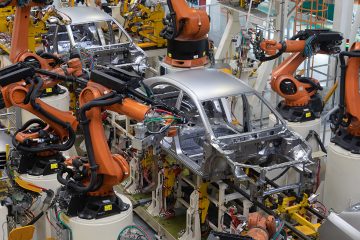
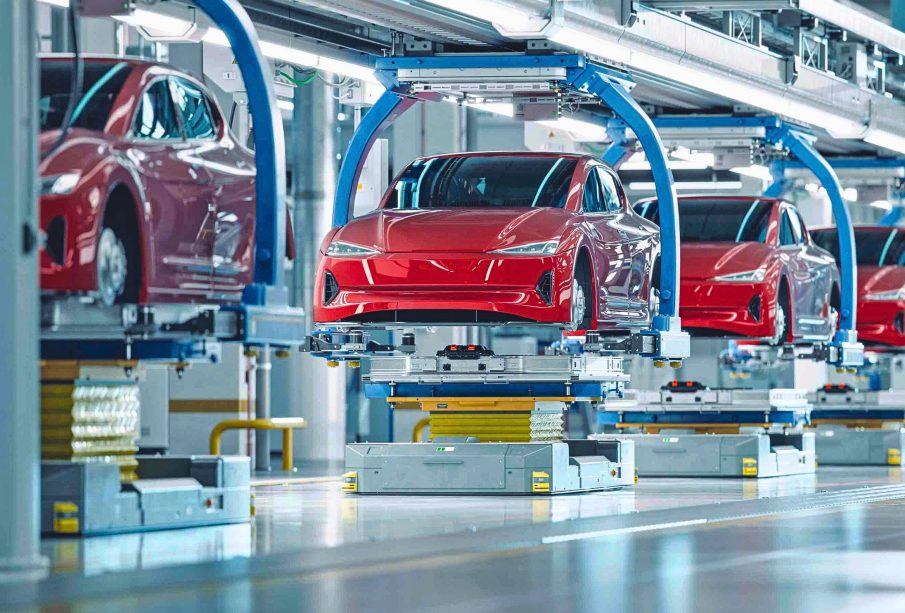
The integration of robotics and digital tools in factories is revolutionizing automotive production.
Technologies Driving the Change
-
Robotic assembly lines enhancing speed and precision
-
Artificial intelligence optimizing quality control
-
Digital twins enabling virtual simulation of production systems
-
IoT sensors monitoring performance and equipment health
These advancements create efficient, flexible production environments capable of meeting changing market demands.
Changing Consumer Expectations
Modern consumers look for more than just performance; they expect vehicles to be intelligent, customizable, and environmentally responsible.
Key Shifts
-
Increased interest in EVs and hybrids
-
Preference for digital interfaces and integrated apps
-
Growing demand for safety technology
-
Rising popularity of subscription and shared mobility models
As preferences evolve, automakers must adapt their designs, features, and services accordingly.
The Road Ahead
The future of the automotive industry will continue to blend technology, sustainability, and personalization. Innovations in electric mobility, automation, connectivity, and manufacturing will guide the next generation of vehicles. Companies that embrace these developments are poised to lead the transformation of global transportation.
FAQs
1. What is currently the biggest trend in the automotive industry?
The rapid rise of electric vehicles is one of the most significant trends, driven by sustainability goals and technological improvements.
2. How soon will fully autonomous cars become mainstream?
Widespread adoption depends on regulatory approval, safety validation, and infrastructure readiness, which may take several more years.
3. Why are automakers focusing on sustainability?
Environmental regulations and consumer expectations are pushing manufacturers to lower emissions and reduce their carbon footprint.
4. What role does AI play in modern vehicles?
AI powers autonomous driving systems, predictive maintenance, driver monitoring, and intelligent infotainment features.
5. Are connected vehicles safe from cyber threats?
Automakers continually strengthen cybersecurity protocols, though ongoing updates and safeguards remain essential.
6. How is manufacturing changing in the automotive sector?
Smart factories using robotics, IoT, and automation are improving production efficiency and reducing costs.
7. Will traditional fuel-powered cars disappear completely?
They may gradually decline as EV adoption grows, but internal combustion engines may continue in certain markets for years.