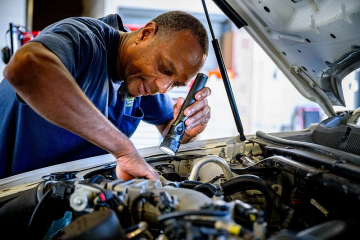
How Improper Car Repair Can Void Your Vehicle Warranty

A manufacturer warranty provides crucial peace of mind when you purchase a new or certified pre-owned vehicle. It acts as a financial shield against unexpected mechanical defects, faulty electronics, and structural failures. However, this coverage is not unconditional. While federal law gives vehicle owners the freedom to choose where and how their cars are serviced, substandard work, unapproved modifications, and basic maintenance mistakes can quickly jeopardize that protection.
Navigating the boundaries of factory warranties can feel overwhelming. Dealerships often make it sound like stepping outside their service bays automatically cancels your coverage, while independent shops might downplay the technical requirements laid out by manufacturers. Understanding how incorrect repair practices lead to denied warranty claims will save you thousands of dollars and ensure your vehicle remains covered when serious breakdowns happen.
Understanding the Legal Safeguards: What Really Protects You
To protect yourself from unfair warranty denials, you first need to understand the legal framework governing automotive warranties in the United States. Under federal consumer protection laws, specifically the Magnuson-Moss Warranty Act, an automaker cannot void your entire warranty simply because you had maintenance or repairs performed by an independent mechanic or chose to do the work yourself.
Furthermore, manufacturers are legally barred from requiring you to use genuine original equipment manufacturer parts just to retain warranty status, unless they provide those parts to you free of charge. You have full legal authority to shop around for routine oil changes, brake pads, and general repairs.
The critical caveat lies in causation. If an independent shop or home mechanic installs a defective part, uses the wrong specifications, or performs an installation incorrectly, and that mistake directly causes damage to a covered system, the manufacturer has every right to deny the claim for that specific damage. The warranty on the rest of the vehicle remains technically intact, but any failure traceable to improper workmanship or non-compliant parts falls entirely on your shoulders.
Common Repair Errors That Lead to Denied Warranty Claims
Warranty claims are rarely denied out of malice; they are denied because automotive engineers and claims adjusters identify clear physical evidence of improper service. Modern vehicles are complex systems where small deviations from factory instructions can lead to catastrophic component failure.
-
Incorrect Fluid Viscosity and Chemistry: Modern engines, transmissions, and differentials operate under tight tolerances. Pouring standard motor oil into an engine calibrated for low-viscosity synthetic blends can starve internal bearings. Similarly, using universal transmission fluid instead of the exact proprietary formulation will ruin clutch packs and solenoids. When a powertrain fails, dealerships routinely test fluid samples, and the wrong chemical composition serves as grounds for denial.
-
Over-Torquing and Mechanical Distortion: Proper fasteners require strict torque sequences and calibrated tools. Stripping aluminum threads in a cylinder head, overtightening spark plugs, or using an impact wrench on suspension components can cause stress cracks and premature failures. A dealership will quickly trace a warped brake rotor or stripped oil pan bolt to improper installation technique.
-
Mishandled Electrical Wiring and Harness Splices: Modern cars rely on complex controller area network bus systems where a drop in resistance can trigger cascading diagnostic trouble codes. Tapping into factory harnesses with wire taps or improper crimps to install aftermarket lighting, dashcams, or audio gear can damage sensitive electronic control units. Dealerships will not cover fried engine computers caused by poor third-party wiring.
-
Failure to Follow Manufacturer Procedures: Some tasks appear straightforward but demand specific digital resets or priming procedures. For example, replacing a fuel pump or turbocharger often requires pre-lubrication or computerized priming routines to prevent running components dry on initial startup. Skipping these procedural steps causes immediate internal scoring, which inspectors recognize immediately upon teardown.
The Pitfalls of Aftermarket and Non-Compliant Parts
Aftermarket parts offer budget-friendly alternatives to high-priced dealership replacements, and many reputable brands meet or exceed original equipment standards. However, using substandard or incompatible components introduces substantial warranty risks.
-
Subpar Filtration: Inexpensive oil filters with poorly constructed bypass valves can rupture, sending paper fragments through oil galleys or allowing contaminated oil to circulate unfiltered. If the filter collapses and your engine seizes, the dealership will decline engine replacement.
-
Cooling System Incompatibilities: Installing aftermarket radiators or water pumps that do not match original flow ratings can cause localized engine overheating. Even if the dashboard temperature gauge looks normal, micro-boiling inside the cylinder head can cause head gasket failure.
-
Low-Grade Suspension Components: Installing off-brand control arms, ball joints, or tie rods with improper geometry alters suspension travel and stresses wheel hubs, drive axles, and electronic stability sensors. Failures in related drive components will be attributed to the ill-fitting suspension parts.
How Modification and Tuning Complicate Coverage
Performance tuning and cosmetic modifications represent one of the fastest paths to a voided powertrain warranty. While modifying your car is completely legal, expect strict pushback if those modifications alter factory operating thresholds.
-
Engine Control Module Flashing: ECU tunes modify air-fuel ratios, boost pressure, and ignition timing to extract more horsepower. Modern engine computers store flash counters and operating telemetry that dealerships can easily read during diagnostics. Even if an owner flashes the computer back to stock settings before bringing the car in, the digital footprint remains. If a tuned engine throws a connecting rod or melts a piston, the manufacturer will deny the replacement without hesitation.
-
Suspension Lift and Lowering Kits: Installing aftermarket lift blocks or lowering springs changes driveline angles. This alteration increases wear on constant velocity joints, drive shafts, and differential pinions. If a CV axle snaps or a differential begins whining on a modified vehicle, the manufacturer will pin the blame on the modified geometry.
-
Exhaust and Emissions Deletes: Removing catalytic converters or altering particulate filters violates environmental laws and completely cancels warranty coverage for emissions systems, exhaust sensors, and related engine management software.
Best Practices to Keep Your Vehicle Warranty Safe
Protecting your warranty while retaining the freedom to use independent mechanics requires diligence, accurate record-keeping, and clear communication.
-
Retain Detailed Invoices and Receipts: Keep an organized physical or digital folder containing every repair order. Invoices must list the date, current mileage, vehicle identification number, exact part numbers used, and detailed descriptions of the labor performed. If you do your own maintenance, save all part and fluid receipts.
-
Verify Fluid and Part Compliance: Before allowing a mechanic to service your vehicle, confirm that the fluids and replacement parts explicitly state compliance with your manufacturer specifications on the packaging.
-
Choose Certified Repair Facilities: Look for facilities employing technicians certified by the National Institute for Automotive Service Excellence or independent shops that specialize in your vehicle brand. These mechanics are more likely to have access to factory repair manuals and diagnostic software.
-
Address Recalls and Technical Bulletins Promptly: Take advantage of manufacturer recalls and technical service bulletins by having them completed at authorized dealerships. Delaying safety or service recall work can contribute to mechanical damage that might complicate future claims.
Frequently Asked Questions
Can a dealership void my entire warranty over a single bad repair?
No. A dealership or manufacturer can only deny warranty coverage for the specific component or system damaged by the improper repair. For example, if an incorrectly installed aftermarket radiator ruins the engine, the engine repair claim will be denied, but your warranty coverage for power windows, air conditioning, and electrical switches remains active.
Will doing my own oil changes void the warranty?
Performing your own oil changes will not void your warranty as long as the work is executed correctly. You must use engine oil and filters that meet the exact viscosity, volume, and API certification specifications listed in your owner manual. You should also keep all dated receipts and maintain an accurate service log showing date and mileage.
What should I do if a dealer wrongly denies a warranty claim?
Request a written explanation from the service manager detailing why the claim was denied and what evidence links the issue to outside repairs or parts. If the denial seems unfounded, escalate the issue to the automaker regional customer service representative. You can also file a complaint with the state attorney general office or consult an attorney specializing in consumer warranty law.
Does installing an aftermarket remote start system void the vehicle warranty?
It will not void the entire warranty, but if the remote start unit is installed incorrectly and damages the vehicle immobilizer, starter motor, or body control module, the repairs for those specific electrical components will not be covered under warranty.
Can a manufacturer deny a claim if I missed a service interval by a few hundred miles?
Manufacturers expect routine maintenance to follow the schedules in the owner manual. While a minor delay of a few hundred miles usually will not result in an automatic denial, substantial or chronic delays that contribute directly to component failure, like severe oil sludge resulting from neglected oil changes, will justify a claim denial.
Are independent repair shops liable if their work causes a warranty denial?
Yes. If an independent mechanic uses the incorrect fluid, fits the wrong part, or causes mechanical damage that leads to a denied factory warranty claim, that shop is financially liable for the resulting damage under standard garage repair liability. Reputable repair shops carry insurance to handle these specific situations.
How do manufacturers prove an aftermarket part caused the failure?
Automakers rely on certified field technicians and service engineers who inspect the broken assembly. They evaluate wear patterns, diagnostic computer logs, and fluid samples. Under federal law, the burden of proof rests on the manufacturer to demonstrate that the outside part or poor repair was the direct cause of the failure.