Understanding Auto Parts: A Complete Guide for Vehicle Owners
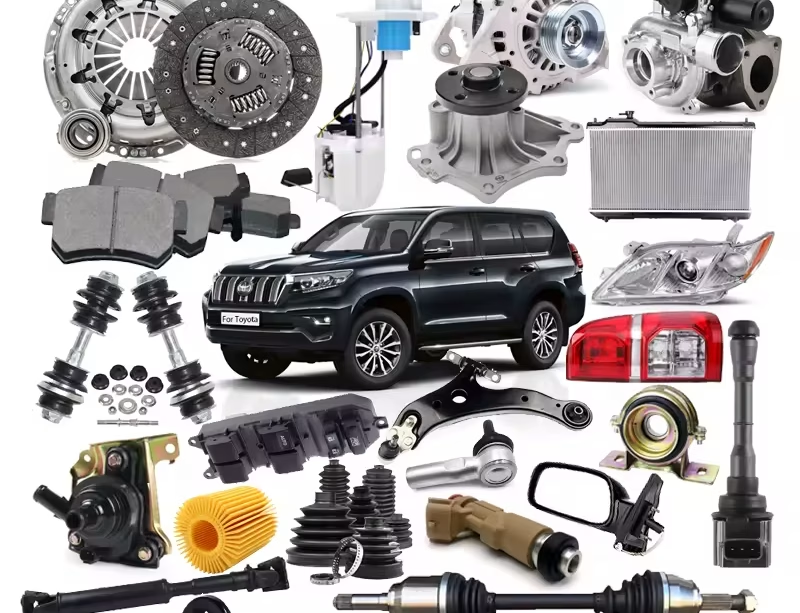
Auto parts form the backbone of every vehicle, determining its performance, safety, and longevity. Whether you’re a new car owner or someone maintaining an aging vehicle, understanding the different automotive components helps you make smarter decisions about repairs, upgrades, and maintenance.
What Are Auto Parts?
Auto parts include all mechanical, electrical, and electronic components that keep a vehicle running smoothly. They range from essential engine pieces to comfort-enhancing accessories. Each part plays a specific role, and knowing their purpose minimizes the risk of breakdowns and unexpected repair costs.
Major Categories of Auto Parts
1. Engine Components
The engine is the heart of the vehicle, consisting of multiple working parts.
- Pistons & Cylinders
- Fuel Injectors
- Camshaft & Crankshaft
- Timing Belt or Chain
These parts collectively manage fuel combustion, ensure smooth motion, and maintain engine timing.
2. Transmission System
The transmission transfers power from the engine to the wheels.
- Manual and Automatic Gearboxes
- Clutch Assembly
- Torque Converter
- Differential
A well-functioning transmission ensures effortless acceleration and fuel efficiency.
3. Suspension and Steering Parts
These components maintain ride comfort and control:
- Shock Absorbers
- Struts
- Control Arms
- Steering Rack & Pinion
Smooth suspension reduces wear on other auto parts and enhances passenger comfort.
4. Brake System Components
Brakes are essential for safety, relying on several interconnected parts:
- Brake Pads
- Rotors
- Calipers
- Brake Lines
- Master Cylinder
Worn-out brakes can compromise safety, making timely replacement crucial.
5. Electrical and Electronic Parts
Modern vehicles rely heavily on electronics.
- Alternator
- Starter Motor
- Battery
- Sensors (Oxygen, MAF, ABS)
- ECU (Engine Control Unit)
These components help regulate engine performance, fuel efficiency, and safety features.
6. Cooling and Heating Systems
Temperature regulation keeps the engine running efficiently.
- Radiator
- Thermostat
- Water Pump
- Heater Core
- Cooling Hoses
A failing cooling system can quickly lead to engine overheating and expensive repairs.
7. Exterior and Interior Accessories
These parts enhance both appearance and operability:
- Headlights & Taillights
- Bumpers
- Mirrors
- Seats & Upholstery
- Dashboard Components
Upgrading accessories can significantly improve driving comfort and aesthetics.
Why Quality Auto Parts Matter
Using high-quality or OEM (Original Equipment Manufacturer) parts ensures:
- Better durability
- Reliable performance
- Improved safety
- Longer vehicle lifespan
- Lower long-term maintenance costs
Cheap or counterfeit auto parts may save money initially but can lead to premature failures.
How to Choose the Right Auto Parts
Before purchasing replacement parts, keep these tips in mind:
✔ Check Compatibility
Always match parts with your vehicle’s make, model, and year.
✔ Prefer OEM or Trusted Brands
While aftermarket parts can be reliable, OEM ensures exact fit and performance.
✔ Evaluate Seller Reputation
Choose authorized dealers or reputable online platforms.
✔ Understand Warranty Policies
A warranty offers protection against early failures.
✔ Consult a Certified Mechanic
Expert advice can prevent purchasing unnecessary or incompatible parts.
Maintenance Tips to Prolong Auto Part Life
- Follow routine service schedules
- Use proper engine oil and fluids
- Inspect brake and suspension systems regularly
- Replace filters on time
- Avoid aggressive driving
- Keep tires properly inflated
Regular maintenance not only saves money but also boosts vehicle reliability.
Frequently Asked Questions (FAQ)
1. How often should I replace my car’s air filter?
Most air filters need replacement every 12,000–15,000 miles, depending on driving conditions.
2. Are aftermarket auto parts reliable?
Yes, many aftermarket brands offer high-quality components, though OEM parts provide the most compatibility.
3. What’s the difference between OEM and OES parts?
OEM parts are made by the vehicle manufacturer; OES parts are made by the supplier that originally produced the component.
4. Why does my vehicle overheat even with a full coolant tank?
Causes may include a faulty thermostat, radiator blockage, or a failing water pump.
5. How can I tell if my brakes need replacing?
Common signs include squeaking noises, vibration during braking, and longer stopping distances.
6. Is it necessary to replace rotors with brake pads?
Not always, but if rotors are worn or warped, replacing them prevents premature pad wear.
7. Do electronic components fail more often in older vehicles?
Yes, older wiring and sensors degrade over time, increasing the likelihood of electronic failures.