A Complete Guide to Modern Vehicles: Types, Components, and Emerging Technologies
A vehicle is a machine built to move people or goods efficiently from one location to another. Over time, vehicles have transformed from basic mechanical structures into highly advanced systems integrating electronics, automation, and eco-friendly technologies. Today, understanding how vehicles function is essential for drivers, buyers, and anyone interested in transportation trends.
Major Types of Vehicles
1. Passenger Vehicles
These vehicles are designed primarily for personal use and everyday travel.
Common categories include:
-
Sedans
-
SUVs
-
Hatchbacks
-
Coupes
-
Minivans
2. Commercial Vehicles
Used for transporting goods, materials, or passengers for business purposes.
Examples:
-
Trucks and trailers
-
Buses and coaches
-
Cargo vans
3. Two- and Three-Wheelers
Known for affordability and agility, especially in crowded cities.
-
Motorcycles
-
Scooters
-
Auto-rickshaws / three-wheelers
4. Electric Vehicles (EVs)
These operate on electric motors powered by rechargeable batteries.
Key benefits:
-
Lower emissions
-
Reduced running costs
-
Quiet and smooth operation
5. Hybrid Vehicles
Hybrid models combine a traditional engine with an electric motor to improve fuel efficiency and reduce emissions.
6. Specialty Vehicles
Built for specific industries or purposes.
Examples:
-
Ambulances
-
Agricultural tractors
-
Construction machinery
Core Components of a Vehicle
Engine or Motor
The engine is responsible for generating power. Modern vehicles may use:
-
Internal combustion engines (petrol, diesel)
-
Electric motors (battery-powered)
-
Hybrid powertrains (engine + electric motor)
Transmission System
This system transfers power from the engine to the wheels.
Primary types include:
-
Manual transmission
-
Automatic transmission
-
CVT (Continuously Variable Transmission)
Chassis and Suspension
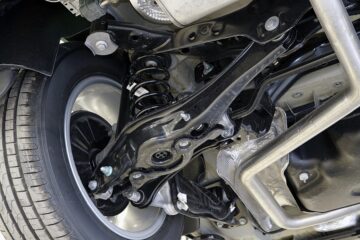
The chassis forms the structural framework, while the suspension system maintains comfort, stability, and road grip.
Braking System
Modern braking systems enhance safety and reduce stopping distance.
Common technologies:
-
ABS (Anti-lock Braking System)
-
Disc brakes
-
EBD (Electronic Brakeforce Distribution)
Electrical and Electronic Systems
Vehicles rely heavily on electronics for performance and safety.
Important components:
-
Battery systems
-
Sensors and control modules
-
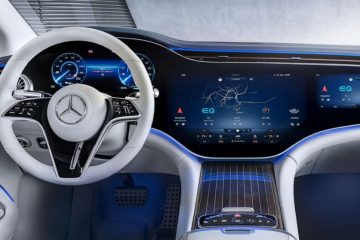
Infotainment systems
Emerging Technologies in Modern Vehicles
Electric Mobility
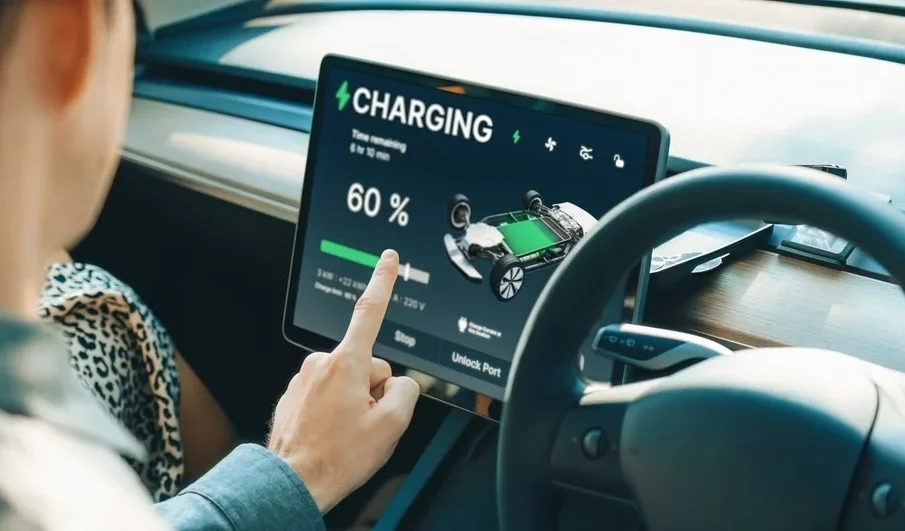
Electric vehicles continue to grow due to stricter emission norms and rising environmental awareness. Modern EVs offer:
-
Faster charging
-
Longer driving range
-
Regenerative braking
Advanced Driver Assistance Systems (ADAS)
ADAS enhances safety by helping drivers identify hazards and avoid collisions. Features include:
-
Lane-keeping assistance
-
Adaptive cruise control
-
Automatic emergency braking
Connectivity and Smart Features
Vehicles now integrate with smartphones and digital ecosystems.
Examples:
-
Real-time navigation
-
Remote diagnostics
-
Over-the-air software updates
Autonomous Driving
Self-driving technology is developing rapidly, using sensors, AI, and cameras to make vehicles more independent and safer.
Importance of Vehicle Maintenance
Proper maintenance extends a vehicle’s lifespan and ensures safety. Essential practices:
-
Regular oil changes
-
Tire rotation and pressure checks
-
Brake inspection
-
Battery health monitoring
-
Scheduled servicing
Consistent care reduces breakdowns, improves fuel efficiency, and keeps the vehicle operating smoothly.
FAQs
1. What is the main difference between electric and hybrid vehicles?
Electric vehicles run solely on battery power, while hybrids combine an engine with an electric motor for improved efficiency.
2. How often should I service my vehicle?
Most manufacturers recommend servicing every 6 to 12 months or after a specific mileage, depending on usage.
3. What factors should I consider when buying a new vehicle?
Key considerations include budget, fuel type, safety features, maintenance costs, and driving needs.
4. Why is tire pressure important?
Proper tire pressure improves handling, reduces fuel consumption, and extends tire life.
5. What does ABS do in a vehicle?
ABS prevents wheels from locking during braking, helping maintain steering control.
6. Are electric vehicles more expensive to maintain?
Generally, EVs have lower maintenance costs since they contain fewer moving parts compared to combustion engines.
7. How does ADAS improve road safety?
ADAS provides real-time alerts and automatic interventions that help prevent accidents and assist drivers in complex driving conditions.